In today's competitive business environment, managers are under increasing pressure to improve productivity, maintain accountability, meet deadlines, and ensure projects are delivered successfully. However, achieving these goals becomes difficult when managers lack clear visibility into how teams are performing on a daily basis.
Many organizations still rely on spreadsheets, email updates, WhatsApp messages, manual reports, and occasional meetings to evaluate employee performance. While these methods may provide some insight, they often fail to deliver the real-time visibility managers need to make informed decisions and proactively address operational challenges.
The most successful organizations today use workflow management systems, productivity dashboards, automation tools, and real-time reporting platforms to gain a complete view of team performance. These systems help managers identify bottlenecks, improve accountability, recognize high performers, and ensure resources are allocated efficiently.
In this article, we explore how managers can track team performance better, avoid common performance management mistakes, and leverage modern technology to build more productive and accountable teams.
Why Team Performance Tracking Matters
Team performance directly affects a company's ability to achieve its goals. When employees are productive, engaged, and aligned with organizational objectives, projects move faster, customers receive better service, and businesses become more competitive.
Effective performance tracking helps managers:
- Measure productivity accurately
- Identify operational bottlenecks
- Improve accountability
- Optimize resource allocation
- Recognize employee achievements
- Support employee development
- Improve project outcomes
- Increase overall operational efficiency
Without proper performance tracking, managers often rely on assumptions rather than data, which can lead to poor decisions and reduced productivity.
Common Challenges Managers Face When Tracking Performance
Many managers struggle with performance tracking because traditional methods provide limited visibility.
Common challenges include:
- Inconsistent reporting processes
- Lack of real-time information
- Difficulty measuring productivity fairly
- Unclear task ownership
- Communication gaps between departments
- Limited visibility into project progress
- Difficulty identifying underperformance early
- Excessive reliance on manual updates
These challenges can make it difficult for managers to understand what is happening across teams and projects.
1. Move Beyond Activity Tracking
One of the biggest mistakes managers make is focusing solely on activity rather than outcomes.
Being busy does not always mean being productive.
Instead of measuring:
- Hours spent online
- Number of emails sent
- Meeting attendance
- Chat activity
Managers should focus on meaningful performance indicators such as:
- Task completion rates
- Project delivery timelines
- Quality of work
- Achievement of objectives
- Customer satisfaction
- Contribution to team goals
Outcome-based performance measurement provides a more accurate picture of employee effectiveness. Managers can improve this further by focusing on task completion rates as a practical indicator of productivity.
2. Establish Clear Performance Metrics
Employees perform better when expectations are clearly defined.
Managers should establish measurable key performance indicators (KPIs) that align with business objectives.
Examples of Useful Performance Metrics
- Tasks completed on time
- Project milestone achievement
- Client response times
- Sales performance
- Customer satisfaction scores
- Workflow completion rates
- Quality assurance metrics
- Operational efficiency indicators
Clear metrics create transparency and help employees understand how success is measured.
3. Use Real-Time Performance Dashboards
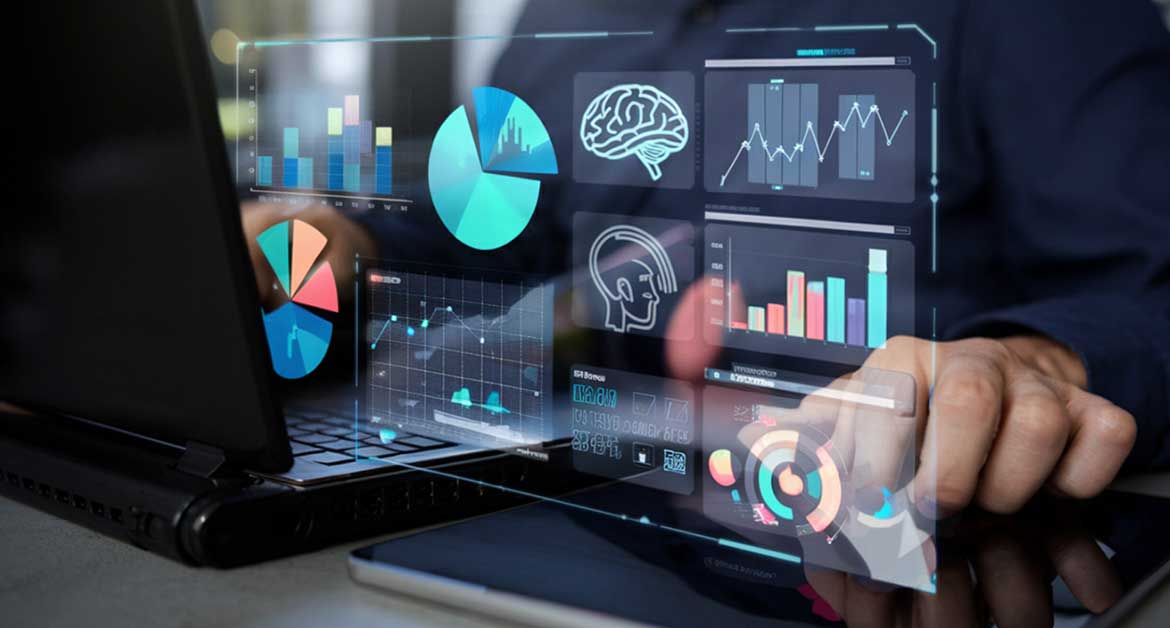
Modern workflow management systems provide managers with real-time dashboards that display operational data instantly.
These dashboards allow managers to monitor:
- Task progress
- Workload distribution
- Project timelines
- Deadline compliance
- Resource utilization
- Team productivity trends
Real-time visibility enables managers to identify issues before they become major problems and make proactive decisions based on accurate information.
4. Improve Accountability Through Task Ownership
Performance tracking becomes easier when every task has a clearly assigned owner.
Employees should always know:
- What they are responsible for
- When tasks are due
- How success will be measured
- Who depends on their work
Clear accountability reduces confusion and helps managers monitor progress more effectively. A structured approach to employee accountability can make ownership and progress easier to track.
5. Track Progress Continuously, Not Occasionally
Traditional annual reviews and monthly reports often fail to provide timely insights.
Modern organizations benefit from continuous performance tracking that allows managers to:
- Monitor project progress daily
- Identify bottlenecks early
- Provide ongoing feedback
- Support employees proactively
- Address issues before deadlines are affected
Continuous visibility creates a more agile and responsive management approach. Better project visibility also helps managers identify issues before they affect delivery.
6. Leverage Workflow Management Systems
Workflow management platforms provide a centralized environment where managers can monitor operational activities and team performance in real time.
These systems typically offer:
- Task assignment tools
- Project tracking dashboards
- Automated notifications
- Performance reporting
- Collaboration features
- Workflow automation
By centralizing operations, managers gain better visibility into team performance and project status. This also supports internal collaboration by keeping teams aligned around shared work and priorities.
7. Use Data to Identify Bottlenecks
Performance data is valuable not only for evaluating employees but also for improving processes.
Managers should analyze data to identify:
- Recurring delays
- Workflow inefficiencies
- Approval bottlenecks
- Resource shortages
- Communication breakdowns
Addressing these operational issues often leads to significant productivity improvements across teams. Businesses can also reduce recurring bottlenecks with department coordination through automation.
8. Encourage Transparency and Collaboration
Performance tracking should not create fear or excessive monitoring.
Instead, organizations should use visibility tools to encourage:
- Open communication
- Shared accountability
- Collaboration
- Continuous improvement
- Goal alignment
When employees understand the purpose of performance tracking, they are more likely to engage positively with the process.
9. Recognize and Reward High Performance
Performance tracking should also help managers identify top performers and celebrate achievements.
Recognition can:
- Boost morale
- Increase engagement
- Improve retention
- Encourage excellence
- Strengthen team culture
Data-driven performance insights make recognition programs more objective and meaningful.
10. Support Employee Development
Effective performance tracking is not just about measuring results. It is also about helping employees grow.
Managers can use performance data to:
- Identify skill gaps
- Provide coaching
- Offer training opportunities
- Create development plans
- Support career progression
This creates stronger teams and contributes to long-term organizational success.
The Role of Technology in Modern Performance Management
Technology has fundamentally changed how managers track and improve team performance.
Modern platforms provide:
- Real-time operational visibility
- Automated reporting
- Performance analytics
- Workflow automation
- Collaboration tools
- Productivity dashboards
These capabilities help managers move from reactive management to proactive leadership.
How SpiderBOOKS Helps Managers Track Performance Better
SpiderBOOKS provides a centralized workflow management platform that helps managers gain complete visibility into team performance and operational activities.
With SpiderBOOKS, managers can:
- Monitor task progress in real time
- Track project performance
- Measure productivity metrics
- Automate reporting processes
- Improve accountability across teams
- Identify bottlenecks quickly
- Enhance collaboration and communication
- Optimize resource allocation
By centralizing workflows and providing actionable insights, SpiderBOOKS helps organizations improve productivity and achieve better business outcomes.
The Future of Team Performance Management
As workplaces continue to evolve, performance management will become increasingly data-driven and technology-enabled.
Future trends may include:
- AI-powered productivity analytics
- Predictive performance insights
- Automated workload balancing
- Advanced collaboration metrics
- Real-time operational forecasting
Organizations that adopt modern performance management tools early will be better positioned to improve productivity, retain talent, and scale successfully.
Conclusion
Tracking team performance effectively is essential for achieving organizational goals, improving productivity, and maintaining accountability.
Traditional methods such as spreadsheets, email updates, and occasional reviews often fail to provide the visibility managers need to lead effectively in today's fast-moving business environment.
Modern workflow management systems offer real-time insights, performance analytics, and centralized operational visibility that help managers make better decisions and support teams more effectively.
Solutions like SpiderBOOKS empower managers to monitor performance continuously, identify opportunities for improvement, and create more productive, accountable, and successful teams.
In a modern workplace, better performance tracking is not about watching employees more closely—it is about giving managers the visibility they need to help teams succeed.