Introduction
In today's highly competitive business environment, sales teams must manage customer communication quickly, accurately, and consistently. Companies that fail to follow up with leads efficiently often lose valuable opportunities to competitors that respond faster and maintain stronger customer engagement.
Sales representatives are expected to handle large numbers of prospects, customer inquiries, meetings, negotiations, and follow-up activities every day. As sales pipelines grow larger, manual reminder systems become increasingly difficult to manage effectively.
Many businesses still rely on spreadsheets, sticky notes, emails, or personal memory to manage customer follow-ups. These outdated methods often lead to missed opportunities, delayed communication, forgotten callbacks, and inconsistent customer experiences.
Automated reminder systems provide a modern solution that helps businesses organize sales activities more efficiently while improving productivity and communication consistency.
Why Automated Sales Reminders Matter
Automated reminders help businesses reduce missed opportunities, improve customer communication, strengthen sales organization, and increase conversion rates through consistent follow-up management.
Stronger Communication
Sales teams can maintain consistent customer engagement and faster response times.
Better Organization
Automated workflows help sales representatives manage opportunities more efficiently.
Higher Productivity
Automation reduces administrative tasks and allows teams to focus more on closing deals.
Understanding the Importance of Follow-Ups
Most customers do not make purchasing decisions immediately after the first interaction with a business.
Sales representatives often need multiple conversations to:
- Build trust
- Answer customer questions
- Provide quotations
- Address concerns
- Maintain customer engagement
- Strengthen relationships
Consistent follow-ups significantly improve the chances of converting leads into paying customers.
Problems with Manual Reminder Systems
Manual reminder systems create several operational challenges as businesses grow.
Common problems include:
- Forgotten callbacks
- Missed meetings
- Delayed communication
- Lost customer information
- Disorganized workflows
- Human errors
- Poor visibility into sales activities
These inefficiencies negatively impact both productivity and customer satisfaction.
What Are Automated Reminders?
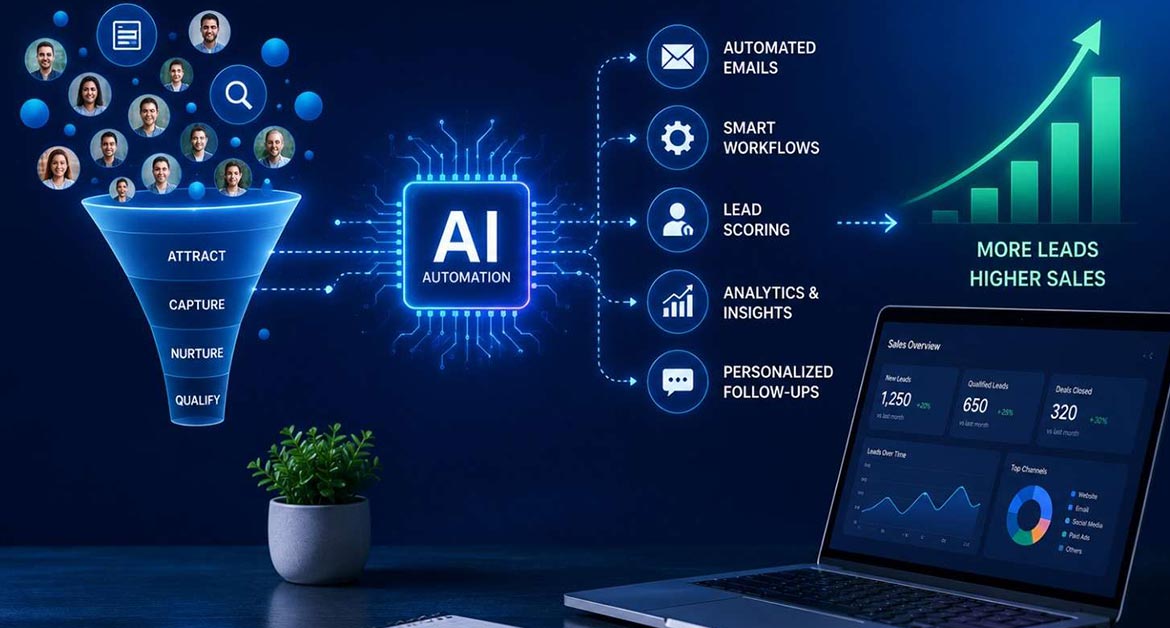
Automated reminders are digital notifications generated by CRM systems or workflow automation platforms to help sales teams manage tasks, communication, and customer follow-ups more efficiently.
These systems automatically notify employees about:
- Pending follow-ups
- Scheduled meetings
- Inactive leads
- Customer callbacks
- Sales deadlines
- Pipeline activities
Automation ensures important customer interactions are not forgotten.
Reducing Missed Opportunities
One of the biggest reasons businesses lose sales opportunities is inconsistent communication.
When follow-ups are delayed or forgotten, customers often move to competitors that maintain stronger communication and faster responses.
Automated reminders help businesses:
- Track customer interactions
- Maintain regular communication
- Follow up consistently
- Improve lead nurturing
This significantly improves conversion potential.
Improving Response Times
Modern customers expect quick communication and professional responsiveness.
Automated reminder systems help sales teams respond faster by organizing:
- Customer inquiries
- Follow-up schedules
- Meeting reminders
- Sales notifications
Faster responses improve customer trust and strengthen relationships.
Improving Sales Productivity
Sales representatives often spend large amounts of time managing administrative tasks manually.
Automation reduces the need for:
- Manual scheduling
- Spreadsheet tracking
- Calendar updates
- Task organization
Employees can focus more on:
- Customer communication
- Sales presentations
- Negotiations
- Closing deals
This improves operational efficiency and revenue generation.
Better Pipeline Visibility
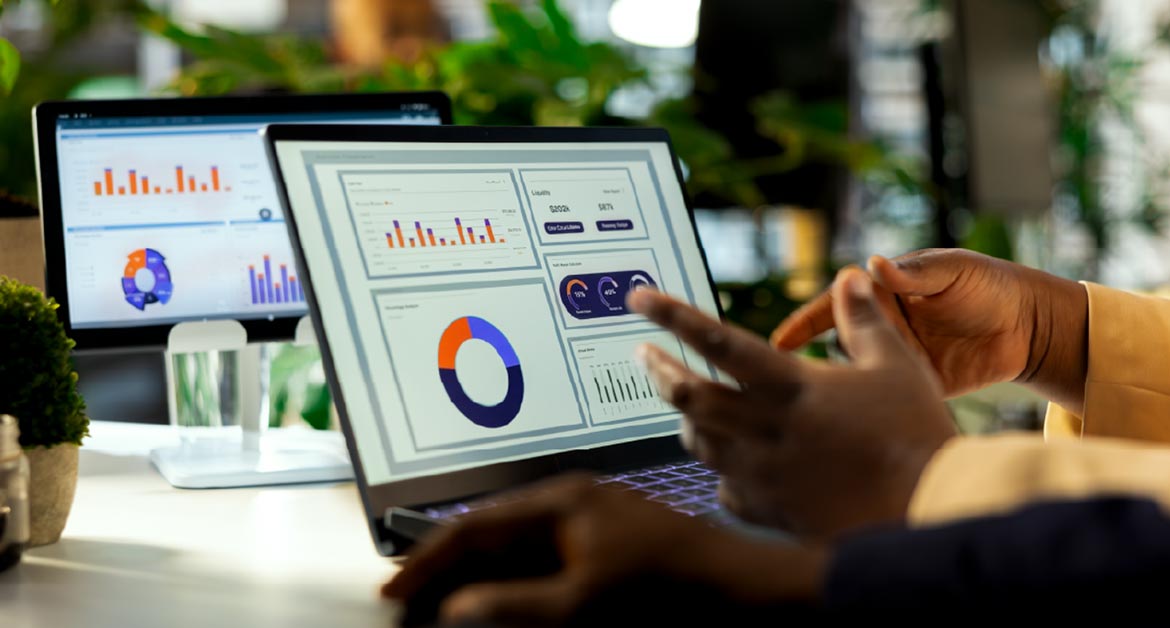
Automated systems provide managers with real-time visibility into sales activities.
Businesses can monitor:
- Lead activity
- Follow-up completion
- Sales progress
- Pipeline movement
- Customer engagement
This improves accountability and operational oversight.
Improving Customer Experience
Customers appreciate businesses that remain organized and responsive.
Automated reminders help companies:
- Respond consistently
- Maintain communication
- Remember customer needs
- Provide professional service
Better communication strengthens customer satisfaction and loyalty.
Workflow Automation and Sales Efficiency
Modern automation platforms can trigger workflows automatically based on customer activity.
Examples include:
- Automatic follow-up scheduling
- Email reminders
- Lead status updates
- Sales alerts
- Meeting notifications
This creates more organized and scalable sales operations.
Reducing Human Errors
Manual systems are highly vulnerable to:
- Missed tasks
- Duplicate communication
- Scheduling conflicts
- Forgotten leads
Automation reduces these risks significantly and improves workflow consistency.
Real-Time Sales Coordination
Automated systems improve collaboration between:
- Sales representatives
- Management teams
- Marketing departments
- Customer support teams
Everyone can access updated customer information and sales activity in real time.
Financial Benefits of Automation
Higher Conversion Rates
Consistent communication improves customer engagement and increases sales success.
Lower Operational Waste
Businesses reduce inefficiencies caused by missed opportunities and disorganized workflows.
Increased Productivity
Employees spend less time on administration and more time on revenue-generating activities.
Improved Revenue Growth
Better organization and communication contribute directly to stronger sales performance.
Real-World Example
A growing sales company struggled with inconsistent follow-ups and poor task organization.
Sales representatives frequently forgot callbacks and delayed customer communication.
After implementing automated reminder systems:
- Follow-up consistency improved
- Response times became faster
- Customer engagement increased
- Pipeline visibility improved
- Sales conversions increased
The company achieved stronger operational organization and improved sales performance.
Challenges in Implementing Automation
Employee Training
Employees need proper onboarding to use automation tools effectively.
Workflow Integration
Automation systems must align with existing sales operations.
Initial Technology Investment
CRM and automation platforms require upfront implementation costs.
Data Organization
Customer information must remain accurate and properly structured.
Best Practices for Success
Businesses can improve automation performance by:
- Standardizing follow-up processes
- Using CRM integration
- Monitoring workflow performance
- Training employees consistently
- Personalizing customer communication
These practices improve long-term sales efficiency and operational scalability.
The Future of Sales Automation
Sales automation technologies continue evolving through:
- Artificial Intelligence
- Predictive analytics
- AI-powered customer engagement
- Smart workflow automation
- Real-time operational visibility
Future systems will become even more intelligent and proactive.
Conclusion
Automated reminder systems are becoming essential tools for modern sales organizations that want to improve communication consistency, strengthen customer relationships, and increase sales performance.
Manual reminder methods can no longer support growing sales pipelines and modern customer expectations effectively.
By automating follow-up management and workflow organization, businesses can reduce missed opportunities, improve response times, increase productivity, and create more scalable sales operations.
One of the greatest advantages of automated reminders is their ability to ensure that customer communication remains organized and consistent across the entire sales process.
As businesses continue moving toward digital transformation and workflow automation, automated reminder systems will become even more important for maintaining competitiveness and long-term growth.
Ultimately, automated reminders are not simply notification tools — they are strategic operational systems that help businesses improve efficiency, strengthen customer engagement, and close more deals successfully.