Introduction
In today's competitive business environment, sales performance depends heavily on visibility, organization, and the ability to make fast decisions based on accurate information. As businesses grow, sales operations become more complex, involving larger customer databases, multiple sales representatives, longer sales cycles, and increasing amounts of customer data.
Without proper visibility into sales activities, managers often struggle to understand which opportunities are progressing, which sales representatives are performing well, where deals are being delayed, and how revenue forecasts are evolving.
Many companies still rely on spreadsheets, manual reporting, and disconnected systems to monitor sales operations. While these methods may work temporarily for small businesses, they become increasingly inefficient as sales pipelines expand.
Delayed reporting, inconsistent data, and poor operational visibility make it difficult for management teams to track sales performance accurately and make informed business decisions.
This is where CRM dashboards play a critical role.
Understanding CRM Dashboards
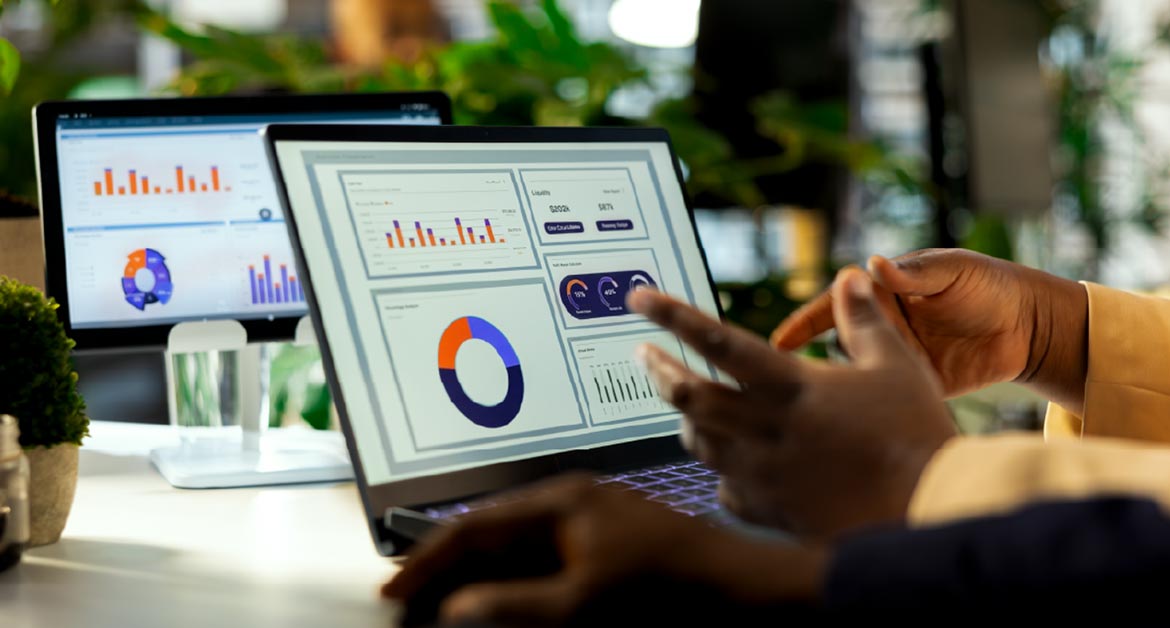
A CRM dashboard is a visual interface inside a Customer Relationship Management system that displays important sales data and operational metrics in real time.
CRM dashboards typically include:
- Sales pipeline activity
- Revenue tracking
- Lead conversion rates
- Follow-up activity
- Team performance
- Customer engagement metrics
- Forecasting reports
- Sales trends
Dashboards organize operational information into easy-to-understand charts, graphs, and performance indicators. This allows managers to monitor business performance quickly and efficiently.
Real-Time Visibility
CRM dashboards provide live operational visibility into sales performance and customer activity.
Better Forecasting
Businesses can improve forecasting accuracy through centralized reporting and analytics.
Improved Productivity
Automation and centralized reporting reduce administrative workload for sales teams.
Why Sales Visibility Matters
Sales visibility is essential for maintaining operational control and improving business performance.
Without visibility, businesses often struggle with:
- Missed sales opportunities
- Poor forecasting
- Inconsistent follow-ups
- Low productivity
- Delayed decision-making
- Pipeline bottlenecks
Management teams need access to accurate and real-time sales information in order to monitor team activity, improve forecasting accuracy, identify operational problems, optimize workflows, and improve conversion rates.
Problems with Traditional Sales Reporting
Many businesses still rely on Excel spreadsheets, manual reports, email updates, and static documents to manage sales visibility.
These methods create several operational limitations:
- Delayed information
- Inconsistent reporting
- Human errors
- Poor collaboration
- Limited real-time visibility
Managers may wait days or weeks to receive updated sales information. By the time reports are completed, operational problems may already have impacted revenue performance.
Real-Time Sales Performance Monitoring
One of the biggest advantages of CRM dashboards is real-time sales visibility.
Managers can monitor:
- Active opportunities
- Closed deals
- Lead activity
- Revenue performance
- Sales representative productivity
- Follow-up completion
- Pipeline movement
This allows businesses to react quickly when operational issues appear.
Better Sales Pipeline Management
CRM dashboards help businesses manage sales pipelines more effectively.
Managers gain visibility into:
- Pipeline stages
- Deal progression
- Opportunity value
- Conversion trends
- Sales bottlenecks
Structured pipeline visibility creates more predictable and organized sales operations.
Improved Sales Forecasting
Accurate forecasting is essential for budget planning, hiring decisions, resource allocation, and long-term business growth.
CRM dashboards improve forecasting by providing:
- Real-time revenue tracking
- Pipeline analysis
- Lead conversion data
- Historical sales trends
- Opportunity projections
Managers can make more informed decisions based on actual operational data instead of assumptions.
Monitoring Sales Team Productivity
CRM dashboards allow managers to monitor sales representative performance more effectively.
Businesses can track:
- Follow-up activity
- Closed deals
- Lead response times
- Customer engagement
- Pipeline management
- Sales targets
This creates stronger accountability across the sales team.
Improving Follow-Up Accountability
One of the biggest causes of lost sales opportunities is inconsistent follow-up communication.
CRM dashboards help managers monitor:
- Pending follow-ups
- Overdue tasks
- Customer communication activity
- Lead engagement
This ensures leads receive proper attention throughout the sales process.
Better Decision-Making Through Data Analytics
Modern businesses generate large amounts of sales data every day.
CRM dashboards help managers analyze:
- Customer behavior
- Sales trends
- Conversion performance
- Revenue growth
- Pipeline activity
This improves strategic decision-making and operational efficiency.
Improving Collaboration Between Departments
Sales operations often require coordination between sales teams, marketing departments, customer support teams, finance teams, and management teams.
CRM dashboards improve collaboration by centralizing operational information into one platform.
Departments can:
- Share updates in real time
- Access the same customer information
- Coordinate workflows more efficiently
This reduces communication gaps and operational confusion.
Workflow Automation and Operational Efficiency
Many CRM dashboards integrate workflow automation features that help businesses:
- Automate follow-up reminders
- Track sales activity
- Generate reports automatically
- Monitor pipeline movement
- Organize operational tasks
Automation reduces administrative workload and improves workflow consistency.
Reducing Human Errors
Manual sales reporting often creates:
- Incorrect calculations
- Duplicate information
- Missing updates
- Delayed reports
CRM dashboards reduce these risks through automated data collection and centralized information management.
Improving Customer Experience
Better sales visibility also improves customer experience.
When sales teams have organized customer information and clear visibility into customer activity, they can:
- Respond faster
- Personalize communication
- Improve follow-up consistency
- Resolve issues more efficiently
Customers receive more professional and organized service experiences.
Financial Benefits of CRM Dashboards
Increased Revenue
Better pipeline visibility improves conversion rates and sales performance.
Improved Productivity
Automation reduces repetitive administrative tasks.
Faster Decision-Making
Managers can react quickly to operational problems.
Better Forecasting Accuracy
Businesses improve planning and resource allocation.
Improved Profitability
Efficient sales operations contribute directly to stronger financial performance.
Real-World Example
A growing business relied on spreadsheets and weekly reports to monitor sales activity.
As operations expanded, managers struggled with delayed reporting, poor visibility into pipeline activity, inconsistent forecasting, missed follow-ups, and limited sales accountability.
After implementing CRM dashboards:
- Real-time visibility improved significantly
- Pipeline management became more organized
- Forecasting accuracy increased
- Team productivity improved
- Sales performance tracking became easier
Management gained stronger operational control and improved decision-making capabilities.
Challenges in Implementing CRM Dashboards
Initial Technology Investment
CRM platforms require upfront implementation costs.
Employee Resistance to Change
Some employees may initially resist structured tracking systems.
Data Integration Complexity
Businesses must integrate customer and operational data properly.
Employee Training Requirements
Teams need training to use CRM dashboards effectively.
Best Practices for CRM Dashboard Success
Businesses can improve dashboard effectiveness by:
- Defining clear performance metrics
- Standardizing sales workflows
- Monitoring dashboards regularly
- Automating reporting processes
- Training employees properly
These practices improve operational visibility and long-term performance.
The Future of CRM Dashboards
CRM dashboard technologies continue evolving through:
- Artificial Intelligence
- Predictive analytics
- Real-time operational intelligence
- AI-powered forecasting
- Smart automation systems
Future dashboards will become even more intelligent and proactive.
Conclusion
Modern sales operations require real-time visibility, accurate reporting, and fast decision-making. Traditional reporting systems based on spreadsheets and manual updates can no longer provide the speed and operational transparency businesses need to remain competitive.
CRM dashboards provide management teams with centralized operational visibility into sales pipelines, customer engagement, team productivity, and revenue performance.
By improving forecasting accuracy, workflow organization, follow-up accountability, and data-driven decision-making, CRM dashboards help businesses create more efficient and scalable sales operations.
One of the greatest advantages of CRM dashboards is the ability to transform complex operational data into clear and actionable business insights. Managers gain stronger control over sales performance while teams become more organized and productive.
As businesses continue growing and adapting to digital sales environments, CRM dashboards will become even more important for maintaining operational efficiency, improving customer relationships, and supporting long-term business growth.
Ultimately, CRM dashboards are not simply reporting tools — they are strategic operational systems that help businesses build smarter, more transparent, and more predictable sales organizations for sustainable success.