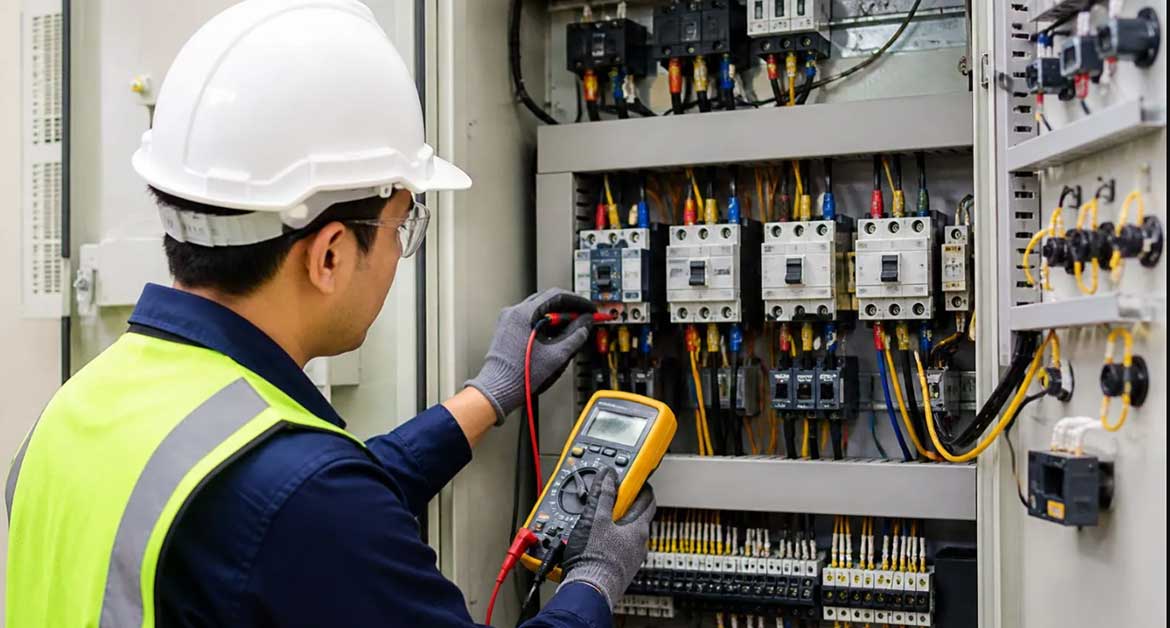
Introduction: The Evolution of Field Service Operations
Field service industries have changed dramatically over the past decade.
Customers now expect faster service, real-time updates, transparent communication, and highly professional experiences.
At the same time, businesses must manage larger service teams, higher workloads, tighter schedules, and more complex operational requirements.
Traditional coordination systems based on paperwork and manual communication create inefficiencies that slow down operations and reduce service quality.
Mobile applications provide a digital solution that connects technicians, managers, dispatch teams, and customers through centralized real-time platforms.
These systems improve visibility, coordination, operational efficiency, and workforce productivity across the entire service ecosystem.
What Are Mobile Apps for Field Technicians?
Mobile apps for field technicians are software applications designed specifically to support field service operations through smartphones and tablets.
These applications allow technicians to access operational tools, customer information, job schedules, reporting systems, and communication platforms directly from the field.
Common mobile app features include:
- Digital job scheduling
- Real-time task updates
- GPS technician tracking
- Digital service reporting
- Photo and document uploads
- Customer signatures
- Inventory management
- Instant communication tools
- Workflow automation
These features significantly improve field service coordination and efficiency.
Problems with Traditional Field Service Management
Many companies still rely on outdated operational methods that create major inefficiencies.
Common operational challenges include:
- Paper-based reporting systems
- Delayed communication
- Scheduling confusion
- Lost service information
- Poor technician visibility
- Manual data entry errors
- Slow customer response times
- Limited operational transparency
As businesses grow, these problems become increasingly difficult to manage.
How Mobile Apps Improve Communication
Communication is one of the most important components of successful field service operations.
Without proper communication systems, technicians and dispatch teams struggle to coordinate effectively.
Mobile apps improve communication through:
- Instant job notifications
- Real-time operational updates
- Integrated messaging systems
- Centralized communication records
- Faster issue escalation
This reduces delays and improves service coordination.
Real-Time Technician Tracking and Visibility
Managers need visibility into technician locations and job progress to coordinate service operations effectively.
Mobile apps with GPS tracking provide live operational visibility.
Benefits include:
- Real-time technician monitoring
- Faster dispatching
- Improved scheduling decisions
- Optimized travel routes
- Reduced response times
This improves operational efficiency and service responsiveness.
Digital Job Scheduling and Dispatching
Manual scheduling processes often create delays, confusion, and overlapping appointments.
Mobile field service apps automate scheduling workflows and improve resource allocation.
Scheduling improvements include:
- Automated technician assignments
- Optimized scheduling logic
- Real-time schedule adjustments
- Balanced workloads
- Reduced travel inefficiencies
This creates more organized and productive field operations.
Improved Technician Productivity
Mobile apps reduce administrative work and allow technicians to focus more on service tasks.
Productivity improvements include:
- Instant access to job details
- Reduced paperwork
- Faster reporting processes
- Better task organization
- Reduced idle time
Technicians can complete more jobs efficiently throughout the day.
Digital Service Reporting
Traditional paper service reports are slow, difficult to manage, and prone to errors.
Mobile apps enable technicians to complete digital service reports directly on-site.
Digital reporting features include:
- Electronic forms
- Photo attachments
- Voice notes
- Customer signatures
- Instant report submission
This improves reporting speed, accuracy, and transparency.
Better Customer Experience
Customers expect fast, professional, and transparent service experiences.
Mobile apps improve customer satisfaction by increasing operational reliability and communication quality.
Customer benefits include:
- Real-time service updates
- Faster technician arrivals
- Improved scheduling accuracy
- Transparent communication
- Professional digital reports
Satisfied customers are more likely to remain loyal and recommend the business to others.
How Mobile Apps Reduce Human Errors
Manual workflows often create operational mistakes that negatively affect productivity and customer service.
Common manual errors include:
- Incorrect job assignments
- Lost paperwork
- Incomplete reports
- Scheduling mistakes
- Communication breakdowns
Mobile apps standardize workflows and automate repetitive tasks, reducing human error significantly.
Inventory and Spare Parts Management
Field technicians often require spare parts and inventory access during service operations.
Mobile apps help technicians track inventory availability and request parts in real time.
Inventory management features include:
- Live inventory tracking
- Parts request systems
- Usage documentation
- Inventory synchronization
- Stock availability updates
This reduces delays caused by missing equipment or inventory shortages.
Workflow Automation in Field Operations
Mobile apps support workflow automation that improves operational consistency and efficiency.
Automated workflows include:
- Task sequencing
- Approval systems
- Automated notifications
- Status updates
- Escalation procedures
Automation reduces manual coordination and operational delays.
Cloud-Based Accessibility and Scalability
Cloud technology enables businesses to manage field operations from centralized digital platforms.
Cloud-based mobile systems provide:
- Remote operational access
- Real-time synchronization
- Centralized data management
- Scalable service operations
- Multi-location coordination
This improves flexibility and long-term scalability.
Data Analytics and Performance Monitoring
Modern mobile field service systems generate valuable operational data.
Analytics capabilities include:
- Technician productivity analysis
- Job completion tracking
- Response time monitoring
- Operational bottleneck detection
- Customer satisfaction analysis
Businesses can use these insights to optimize service performance continuously.
How Mobile Apps Improve Technician Accountability
Managers need accurate operational records to monitor workforce performance effectively.
Mobile apps provide detailed operational visibility through:
- GPS location tracking
- Timestamp verification
- Digital work records
- Job completion tracking
- Real-time reporting
This improves workforce accountability and operational transparency.
Offline Functionality for Remote Operations
Field technicians sometimes work in locations with limited internet connectivity.
Modern mobile apps support offline functionality that allows technicians to continue working without interruptions.
Offline capabilities include:
- Offline form completion
- Data storage synchronization
- Photo documentation
- Task updates
Once internet access is restored, data synchronizes automatically.
Security and Data Protection
Field service operations handle sensitive customer and operational information.
Modern mobile apps provide stronger security compared to manual systems and messaging apps.
Security features include:
- Encrypted communication
- Role-based access control
- Secure cloud storage
- Data backup systems
- Audit logs
This improves operational security and compliance management.
Financial Benefits of Mobile Field Service Apps
Mobile workforce solutions generate measurable financial advantages.
Financial benefits include:
- Reduced paperwork costs
- Lower administrative expenses
- Improved technician productivity
- Reduced fuel consumption
- Faster invoice processing
- Higher operational efficiency
Operational optimization directly improves profitability.
Industries That Benefit from Mobile Technician Apps
Mobile field service apps are valuable across many industries.
Industries include:
- HVAC services
- Industrial maintenance
- Facility management
- Telecommunications
- Construction services
- Electrical services
- Equipment maintenance
- Utilities management
These industries depend heavily on mobile workforce coordination.
Challenges Businesses Face Without Mobile Apps
Businesses that continue using manual operational systems often struggle with:
- Slow communication
- Operational inefficiencies
- Poor technician visibility
- Scheduling confusion
- Lower customer satisfaction
- Limited scalability
As service operations become more complex, these challenges become increasingly expensive.
How SPIDER ASIA Supports Mobile Workforce Transformation
SPIDER ASIA provides advanced mobile field service solutions designed to modernize technician operations and improve service efficiency.
Our solutions include:
- Mobile technician applications
- Real-time GPS tracking
- Digital reporting systems
- Automated scheduling tools
- Cloud-based operational dashboards
- Workflow automation platforms
We help businesses improve productivity, customer satisfaction, operational visibility, and workforce coordination.
The Future of Mobile Field Service Technology
Mobile workforce technology continues evolving rapidly through artificial intelligence, IoT integration, and advanced automation systems.
Future innovations include:
- AI-powered technician assistance
- Predictive service scheduling
- IoT-connected field operations
- Voice-controlled reporting systems
- Advanced operational analytics
Mobile apps will continue playing a central role in digital field service transformation.
Conclusion
Mobile apps for field technicians have become essential tools for companies that want to improve operational efficiency, workforce coordination, customer satisfaction, and long-term scalability.
Traditional manual systems are no longer capable of supporting the speed, complexity, and visibility requirements of modern field service operations.
By using mobile technology, cloud systems, automation platforms, and real-time operational tools, businesses can transform field service operations into highly efficient and intelligent digital ecosystems.
SPIDER ASIA helps businesses modernize workforce operations through advanced mobile field service solutions designed for speed, transparency, operational control, and business growth.
As industries continue evolving toward digital transformation, companies that adopt mobile workforce technology will gain a major competitive advantage in productivity, customer experience, and operational performance.