Introduction
In today’s fast-moving business environment, sales operations generate large amounts of data every day. Customer inquiries, lead activity, follow-ups, conversions, revenue performance, and sales pipeline movement all create valuable information that businesses can use to improve decision-making and operational efficiency.
However, many companies still rely on traditional reporting methods such as spreadsheets, manual reports, emails, or weekly updates to monitor sales performance.
While these methods may have worked in the past, they no longer provide the speed and visibility modern businesses need to remain competitive.
Business owners who lack real-time visibility into sales activity often struggle with:
- Delayed decision-making
- Poor forecasting accuracy
- Missed sales opportunities
- Limited pipeline visibility
- Inconsistent team performance
- Slow responses to operational problems
Understanding Real-Time Sales Reporting
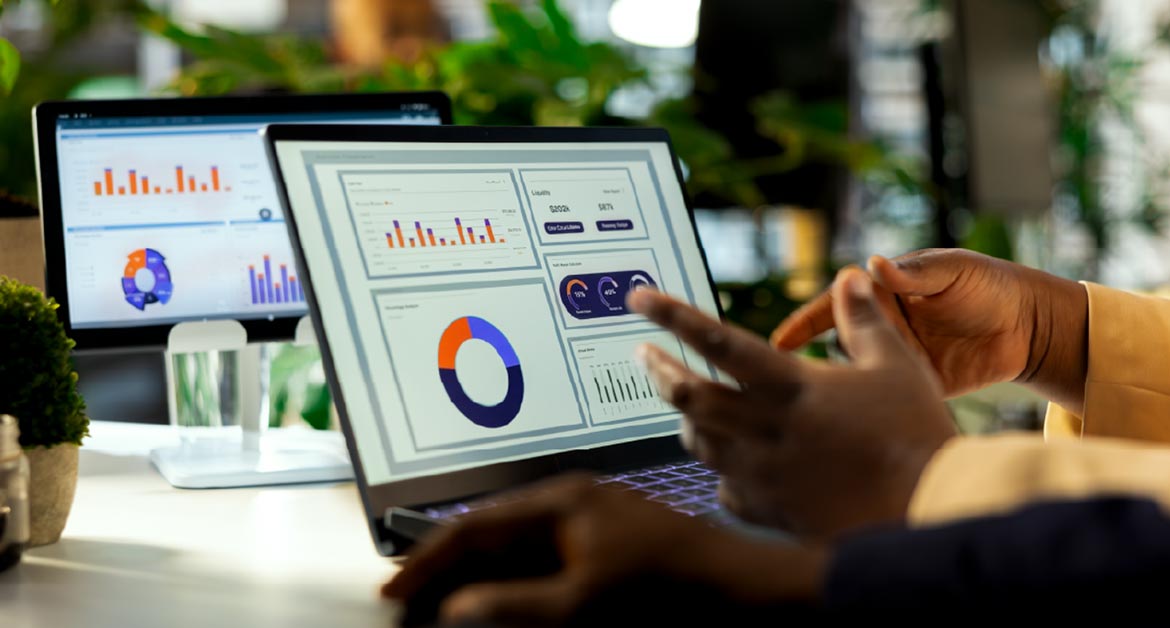
Real-time sales reporting refers to the ability to access live sales data and operational insights instantly as activities occur inside the business.
Real-time reporting may include:
- Revenue tracking
- Pipeline activity
- Lead conversion rates
- Follow-up performance
- Sales representative productivity
- Customer engagement
- Forecasting data
- Closed deals
Instead of waiting for manually prepared reports, business owners receive continuous operational visibility.
Live Visibility
Business owners gain instant access to pipeline activity and revenue performance in real time.
Faster Decisions
Real-time insights help organizations respond quickly to operational challenges and opportunities.
Stronger Forecasting
Live reporting improves forecasting accuracy and long-term strategic planning.
Why Traditional Reporting Methods Create Problems
Many businesses still rely on:
- Excel spreadsheets
- Weekly reports
- Manual calculations
- Email updates
- Paper-based reporting
These methods create several operational limitations:
- Delayed information
- Human errors
- Inconsistent reporting
- Poor visibility into pipeline activity
- Slow decision-making
By the time reports are completed, operational problems may already have negatively impacted sales performance.
Traditional reporting systems also require significant administrative work that reduces productivity.
Faster Decision-Making
One of the biggest advantages of real-time sales reporting is faster decision-making.
Business owners can immediately monitor:
- Sales activity
- Revenue performance
- Customer engagement
- Pipeline movement
- Team productivity
This allows organizations to react quickly when:
- Conversion rates decline
- Opportunities become inactive
- Follow-ups are delayed
- Sales performance weakens
Faster decision-making improves operational agility and business responsiveness.
Better Visibility Into the Sales Pipeline
Real-time reporting provides business owners with full visibility across the sales pipeline.
Managers can monitor:
- Active opportunities
- Deal progression
- Pipeline bottlenecks
- Lead activity
- Pending follow-ups
Without visibility, businesses often struggle to understand:
- Which opportunities are most likely to close
- Where delays are happening
- Which sales stages need improvement
Real-time visibility allows businesses to optimize workflows and improve sales performance continuously.
Improved Sales Forecasting
Forecasting is critical for:
- Budget planning
- Resource allocation
- Hiring decisions
- Growth strategies
Without accurate reporting, forecasting becomes unreliable.
Real-time sales reporting improves forecasting by providing:
- Live revenue tracking
- Pipeline analysis
- Conversion trends
- Opportunity projections
Business owners can make more informed strategic decisions based on actual operational data instead of assumptions.
Faster Identification of Sales Problems
Sales problems often become expensive when businesses fail to identify them early.
Real-time reporting helps managers quickly detect:
- Declining conversion rates
- Slow follow-up activity
- Inactive opportunities
- Pipeline bottlenecks
- Low-performing sales areas
Instead of discovering problems weeks later, business owners can respond immediately.
This improves operational control and minimizes revenue loss.
Improving Team Accountability
Real-time sales reporting improves accountability by giving managers visibility into:
- Sales representative activity
- Follow-up completion
- Pipeline management
- Closed deals
- Response times
Employees become more organized and performance-driven when activity is transparent.
Managers can:
- Monitor productivity
- Provide support quickly
- Identify training needs
- Improve operational discipline
Better Customer Experience
Customer experience depends heavily on:
- Fast communication
- Organized follow-ups
- Consistent engagement
- Quick problem resolution
Real-time reporting helps businesses improve customer experience by allowing teams to:
- Respond faster
- Track communication activity
- Monitor pending customer requests
- Resolve delays quickly
Customers receive more reliable and professional service experiences.
Workflow Optimization
Real-time reporting helps businesses identify operational inefficiencies inside the sales process.
Managers can analyze:
- Delayed tasks
- Workflow bottlenecks
- Communication gaps
- Sales cycle length
- Team coordination issues
This allows businesses to optimize workflows and improve operational efficiency continuously.
Real-Time Data Improves Strategic Planning
Modern businesses require accurate data to make strategic decisions.
Real-time reporting provides insights into:
- Market trends
- Customer behavior
- Sales performance
- Revenue growth
- Operational efficiency
This supports:
- Smarter investments
- Better resource planning
- Improved operational strategies
- More accurate business forecasting
Improved Collaboration Across Departments
Sales operations often involve:
- Sales teams
- Marketing departments
- Customer support teams
- Finance teams
- Operations managers
Real-time reporting improves collaboration by centralizing operational visibility.
Departments can:
- Access the same information
- Coordinate workflows
- Monitor customer activity
- Share updates more efficiently
This reduces communication gaps and operational confusion.
Automation and Reporting Efficiency
Modern CRM systems automate reporting processes through:
- Live dashboards
- Automated analytics
- Workflow tracking
- Revenue monitoring
- Pipeline reporting
Automation eliminates much of the manual administrative work involved in traditional reporting.
This improves:
- Reporting accuracy
- Productivity
- Operational consistency
Reducing Human Errors
Manual reporting systems often create:
- Incorrect calculations
- Missing information
- Duplicate data
- Delayed updates
Real-time reporting systems reduce these risks through:
- Automated data collection
- Centralized reporting
- Live operational updates
This improves data reliability and operational accuracy significantly.
Improving Revenue Performance
Businesses that monitor sales performance in real time can:
- Improve follow-up speed
- Optimize conversion rates
- Identify high-performing opportunities
- Reduce operational delays
These improvements contribute directly to:
- Increased revenue
- Better sales performance
- Stronger profitability
Scalability for Growing Businesses
As businesses grow, sales operations become more complex.
Organizations may manage:
- Larger pipelines
- Multiple sales teams
- Multiple locations
- Larger customer databases
Manual reporting systems become difficult to scale efficiently.
Real-time reporting systems provide scalable operational visibility that supports long-term growth without sacrificing organization or control.
Financial Benefits of Real-Time Sales Reporting
Increased Revenue
Businesses improve conversion rates and pipeline performance.
Faster Operational Decisions
Real-time visibility improves responsiveness.
Higher Productivity
Automation reduces administrative reporting workload.
Improved Forecasting Accuracy
Businesses make better financial and strategic decisions.
Better Profitability
Efficient operations contribute directly to stronger financial performance.
Real-World Example
A growing company relied on weekly spreadsheet reports to monitor sales performance.
As operations expanded, managers struggled with:
- Delayed operational visibility
- Inaccurate forecasting
- Slow responses to sales problems
- Pipeline confusion
By the time reports were reviewed, opportunities were already lost.
After implementing real-time CRM reporting dashboards:
- Pipeline visibility improved significantly
- Forecasting became more accurate
- Sales accountability increased
- Follow-up performance improved
- Operational decisions became faster
The business achieved stronger operational control and more predictable revenue growth.
Challenges in Implementing Real-Time Reporting
Initial Technology Investment
Real-time CRM systems require upfront implementation costs.
Data Integration Complexity
Businesses must centralize operational information properly.
Employee Training Requirements
Teams need training to use dashboards and analytics effectively.
Resistance to Operational Transparency
Some employees may initially resist increased visibility and accountability.
Best Practices for Real-Time Sales Reporting
Businesses can improve reporting effectiveness by:
- Using centralized CRM systems
- Standardizing sales processes
- Monitoring dashboards regularly
- Automating reporting workflows
- Training employees consistently
These practices improve operational visibility and long-term efficiency.
The Future of Real-Time Sales Reporting
Sales reporting technologies continue evolving through:
- Artificial Intelligence
- Predictive analytics
- Smart dashboards
- AI-powered forecasting
- Real-time operational intelligence
Future systems will become even more proactive and data-driven.
Businesses that modernize reporting systems today will gain stronger operational advantages in the future.
Conclusion
Real-time sales reporting has become essential for modern business management. Companies that continue relying on delayed reporting systems and manual spreadsheets often struggle with poor visibility, slow decision-making, inaccurate forecasting, and operational inefficiencies.
Real-time reporting provides business owners with instant visibility into sales activity, customer engagement, pipeline performance, and revenue trends.
By improving operational transparency, forecasting accuracy, workflow optimization, and decision-making speed, real-time reporting helps businesses create more organized and scalable sales operations.
One of the greatest advantages of real-time reporting is the ability to identify problems quickly and respond before operational issues negatively impact revenue growth.
As businesses continue growing and customer expectations continue rising, real-time sales visibility will become even more important for maintaining competitiveness and supporting long-term success.
Ultimately, real-time sales reporting is not simply about dashboards and analytics — it is a strategic operational capability that helps businesses make smarter decisions, improve efficiency, and build stronger, more predictable growth for the future.