Introduction: The High Cost of Equipment Downtime
Equipment downtime is one of the most critical issues in industrial and manufacturing environments.
When machines stop working unexpectedly, entire production lines can be disrupted, leading to delays and financial losses.
Industries that rely heavily on machinery—such as manufacturing, logistics, energy, and construction—are particularly vulnerable.
Unplanned downtime not only affects production output but also increases repair costs and reduces equipment lifespan.
Preventive maintenance systems are designed to solve this problem by identifying potential issues before they lead to breakdowns.
What Is Preventive Maintenance?
Preventive maintenance is a proactive maintenance strategy that involves regularly scheduled inspections, servicing, and repairs of equipment to prevent unexpected failures.
Key activities include:
- Routine inspections
- Lubrication of machine parts
- Replacement of worn components
- Calibration of equipment
- Cleaning and adjustments
The goal is to maintain optimal equipment performance and prevent breakdowns before they occur.
What Are Preventive Maintenance Systems?
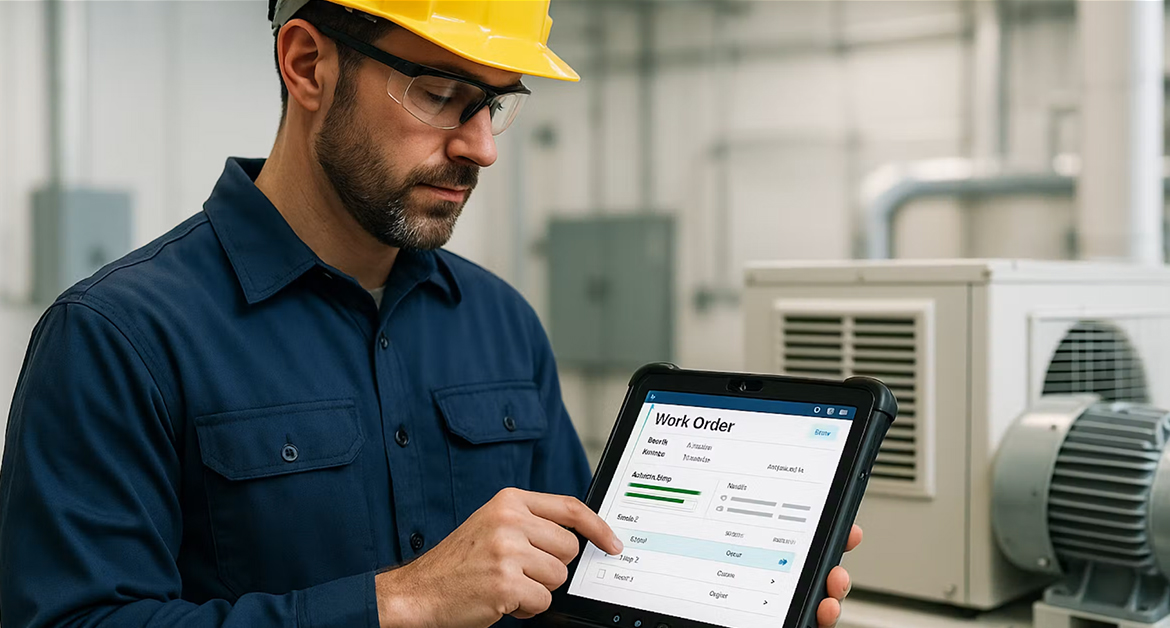
Preventive maintenance systems are digital or software-based platforms that help organizations plan, schedule, track, and manage maintenance activities.
These systems automate maintenance workflows and ensure that no scheduled service is missed.
Core features include:
- Maintenance scheduling
- Asset tracking
- Work order management
- Service reminders
- Maintenance history logs
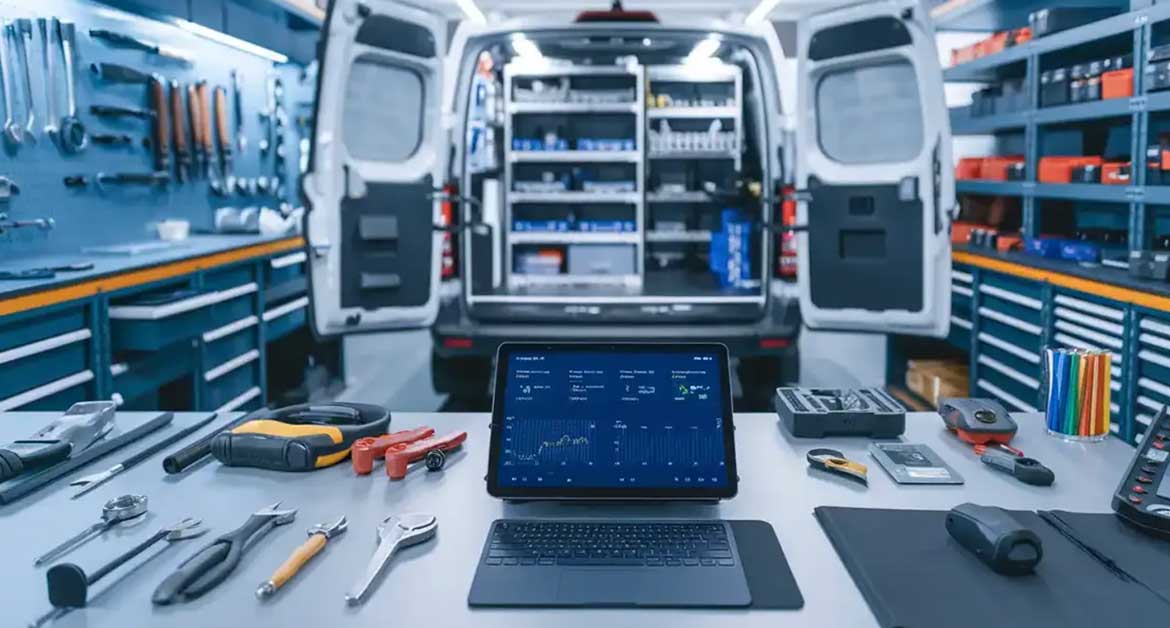
- Performance analytics
These systems improve operational control and equipment reliability.
Why Equipment Downtime Happens
Understanding the causes of downtime is essential to preventing it.
Common causes include:
- Lack of regular maintenance
- Mechanical wear and tear
- Electrical failures
- Operator errors
- Overuse of equipment
- Delayed repairs
Most of these issues can be prevented with a structured maintenance system.
How Preventive Maintenance Reduces Downtime
Preventive maintenance systems reduce downtime by ensuring that equipment is regularly inspected and serviced before issues escalate.
Key mechanisms include:
- Early detection of faults
- Scheduled servicing before failure
- Replacement of worn parts
- Continuous monitoring of equipment health
This reduces unexpected breakdowns and keeps operations running smoothly.
Scheduled Maintenance Improves Equipment Reliability
One of the core strengths of preventive maintenance systems is structured scheduling.
Machines are serviced at predefined intervals based on usage, time, or condition.
Scheduling benefits include:
- Consistent maintenance cycles
- Reduced emergency repairs
- Improved machine reliability
- Longer equipment lifespan
Regular maintenance ensures equipment remains in optimal condition.
Predictive Insights Improve Maintenance Planning
Modern preventive maintenance systems often include predictive analytics capabilities.
These systems analyze machine data to forecast potential failures.
Predictive benefits include:
- Early fault detection
- Reduced unexpected breakdowns
- Optimized maintenance timing
- Lower operational risk
This allows businesses to plan maintenance activities more effectively.
Reducing Emergency Repairs
Emergency repairs are costly and disruptive.
Preventive maintenance significantly reduces the need for urgent interventions.
Benefits include:
- Lower repair costs
- Reduced production interruptions
- Better resource allocation
- Improved operational stability
Fewer emergencies lead to more predictable operations.
Extending Equipment Lifespan
Regular maintenance helps preserve equipment condition over time.
Machines that are properly maintained last significantly longer.
Benefits include:
- Reduced wear and tear
- Improved mechanical efficiency
- Slower degradation
- Lower replacement costs
This improves return on investment for industrial assets.
Improving Operational Efficiency
Preventive maintenance ensures machines operate at peak performance.
Well-maintained equipment consumes less energy and operates more efficiently.
Efficiency benefits include:
- Reduced energy consumption
- Higher production output
- Improved workflow consistency
- Fewer operational disruptions
This leads to better overall productivity.
Reducing Maintenance Costs
Although preventive maintenance requires planning and scheduling, it significantly reduces long-term costs.
Cost savings include:
- Fewer emergency repairs
- Lower replacement costs
- Reduced downtime losses
- Better resource planning
Preventive maintenance is more cost-effective than reactive maintenance.
Improving Safety in Industrial Environments
Faulty equipment can create serious safety hazards in industrial environments.
Preventive maintenance reduces risks by ensuring equipment is always in safe operating condition.
Safety benefits include:
- Reduced accident risk
- Improved compliance
- Safer working conditions
This protects both workers and equipment.
Better Inventory and Spare Parts Management
Preventive maintenance systems help businesses plan spare parts usage more effectively.
Benefits include:
- Reduced inventory shortages
- Better parts forecasting
- Lower storage costs
- Improved procurement planning
This ensures maintenance tasks are never delayed due to missing parts.
Real-Time Maintenance Tracking
Digital maintenance systems allow managers to track all maintenance activities in real time.
Tracking benefits include:
- Transparent maintenance records
- Improved accountability
- Faster decision-making
- Better operational visibility
Real-time tracking ensures maintenance processes are fully controlled.
Data-Driven Maintenance Decisions
Preventive maintenance systems generate valuable data for analysis.
Data insights include:
- Equipment performance trends
- Failure frequency analysis
- Maintenance cost tracking
- Efficiency measurements
These insights help businesses optimize maintenance strategies.
Industries That Benefit from Preventive Maintenance
Preventive maintenance is essential across many industries.
Industries include:
- Manufacturing
- Automotive production
- Energy and utilities
- Construction
- Logistics and warehousing
- Food processing
- Mining and heavy industry
These industries rely heavily on uninterrupted machine performance.
Challenges Without Preventive Maintenance
Businesses that rely on reactive maintenance face several challenges:
- Frequent equipment breakdowns
- High repair costs
- Production delays
- Unpredictable operations
- Reduced equipment lifespan
These issues significantly affect profitability.
How SPIDER ASIA Supports Maintenance Optimization
SPIDER ASIA provides advanced digital solutions designed to improve maintenance efficiency and reduce downtime.
Our solutions include:
- Preventive maintenance scheduling systems
- Asset tracking platforms
- Real-time monitoring dashboards
- Automated maintenance alerts
- Predictive analytics tools
We help businesses transition from reactive to proactive maintenance strategies.
The Future of Preventive Maintenance Systems
Preventive maintenance is evolving into predictive and AI-driven maintenance systems.
Future innovations include:
- AI-powered failure prediction
- IoT sensor integration
- Autonomous maintenance scheduling
- Real-time machine health monitoring
The future of maintenance is intelligent, automated, and data-driven.
Conclusion
Preventive maintenance systems play a crucial role in reducing equipment downtime by ensuring machines are regularly inspected, serviced, and optimized before failures occur.
By shifting from reactive repairs to proactive maintenance strategies, businesses can improve efficiency, reduce costs, enhance safety, and extend equipment lifespan.
SPIDER ASIA helps organizations implement advanced maintenance systems that transform operations into reliable, efficient, and data-driven ecosystems.
As industries continue to evolve, preventive maintenance will remain a key pillar of operational success and industrial competitiveness.