Introduction: Why Field Service Operations Are Difficult to Manage
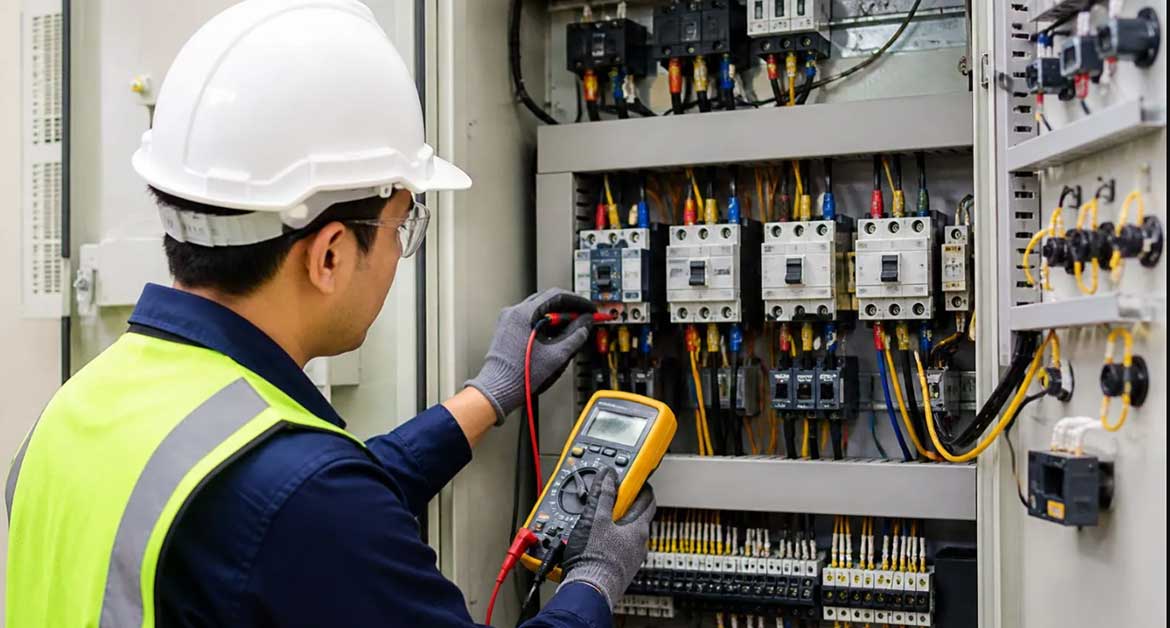
Field service businesses include industries such as HVAC, electrical services, plumbing, telecom maintenance, equipment repair, industrial servicing, and logistics support.
These businesses share a common challenge: managing a mobile workforce that operates across different locations while ensuring timely, efficient, and high-quality service delivery.
Unlike office-based operations, field service work requires constant coordination between technicians in the field and office-based support teams.
Without proper systems in place, operations quickly become disorganized and inefficient.
This is why many companies are now adopting digital field service management systems like those developed by SPIDER ASIA.
Challenge 1: Poor Job Scheduling and Dispatching
One of the most common challenges in field service companies is inefficient job scheduling.
Manual scheduling using spreadsheets or phone calls often leads to overlapping appointments, delayed assignments, and inefficient technician utilization.
Problems caused:
- Missed appointments
- Inefficient technician routing
- Overloaded technicians
- Delayed service delivery
Solution:
Digital scheduling systems automatically assign jobs based on technician availability, skill set, and location.
Challenge 2: Lack of Real-Time Visibility
Many field service companies struggle to track technician activity in real time.
Without visibility, managers cannot monitor job progress or respond quickly to delays.
Problems caused:
- Uncontrolled job delays
- Low accountability
- Poor resource management
- Customer dissatisfaction
Solution:
GPS-based tracking and digital dashboards provide real-time visibility into technician locations and job status.
Challenge 3: Communication Gaps Between Office and Field Teams
Communication breakdowns are a major issue in field service operations.
Technicians often rely on phone calls or messaging apps, leading to missed or misunderstood instructions.
Problems caused:
- Incorrect job execution
- Delayed responses
- Confusion in task updates
Solution:
Centralized communication systems allow real-time updates between office staff and field technicians.
Challenge 4: Inefficient Technician Productivity
Technicians often spend too much time traveling, waiting for instructions, or handling administrative tasks.
Problems caused:
- Low job completion rates
- Wasted travel time
- Reduced efficiency
Solution:
Route optimization and smart job assignment tools improve technician productivity.
Challenge 5: Poor Job Documentation
Manual reporting often results in incomplete or inaccurate job records.
Problems caused:
- Billing errors
- Missing service history
- Lack of accountability
Solution:
Digital job reporting systems allow technicians to submit photos, signatures, and updates in real time.
Challenge 6: Customer Satisfaction Issues
Field service companies often struggle to meet rising customer expectations.
Problems caused:
- Delayed responses
- Missed appointments
- Lack of updates
Solution:
Automated notifications and real-time updates improve customer communication and satisfaction.
Challenge 7: Manual Administrative Workload
Office staff often spend excessive time handling paperwork, scheduling, and coordination tasks.
Problems caused:
- Operational inefficiency
- Human errors
- Delayed workflows
Solution:
Automation reduces repetitive tasks and improves administrative efficiency.
Challenge 8: Inefficient Inventory Coordination
Field service companies often struggle with tracking spare parts and materials.
Problems caused:
- Stock shortages
- Job delays
- Excess inventory
Solution:
Integrated inventory systems connect stock levels with job requirements in real time.
Challenge 9: Lack of Data-Driven Decision Making
Many companies do not use operational data effectively.
Problems caused:
- Poor forecasting
- Inefficient planning
- Missed optimization opportunities
Solution:
Analytics dashboards provide insights into technician performance, job efficiency, and operational bottlenecks.
Challenge 10: Scaling Operational Complexity
As field service companies grow, managing multiple teams becomes increasingly difficult.
Problems caused:
- Coordination breakdowns
- System inefficiencies
- Reduced service quality
Solution:
Cloud-based systems enable scalable operations across multiple teams and locations.
How SPIDER ASIA Solves These Challenges
SPIDER ASIA provides advanced digital field service management solutions designed to solve all major operational challenges faced by service companies.
Our solutions include:
- Smart job scheduling systems
- Real-time technician tracking
- Mobile field service apps
- Automated workflows
- Cloud-based dashboards
- AI-powered optimization tools
Role of AI in Field Service Optimization
Artificial intelligence is transforming field service operations into predictive systems.
- Predictive scheduling
- Route optimization
- Workload balancing
- Demand forecasting
- Performance analysis
Financial Impact of Solving Field Service Challenges
Improving field service efficiency leads to direct financial benefits.
- Reduced operational costs
- Higher technician productivity
- Faster job completion
- Improved customer retention
- Lower administrative expenses
Future of Field Service Companies
- Fully digital operations
- AI-driven scheduling
- Automated dispatch systems
- Real-time analytics
- Connected mobile ecosystems
Conclusion
Field service companies face many operational challenges including scheduling inefficiencies, communication gaps, poor visibility, and administrative burdens. However, these challenges can be effectively solved using modern digital technologies such as automation, mobile apps, cloud systems, and AI-powered platforms.
SPIDER ASIA provides complete digital field service solutions that help companies improve efficiency, reduce errors, and enhance customer satisfaction.
With the right technology, field service businesses can transform their operations into highly efficient, scalable, and intelligent systems.