Introduction
Modern businesses face increasing pressure to improve efficiency, reduce operational costs, and adapt quickly to changing market demands. Traditional workflows that rely heavily on manual coordination and repetitive administrative tasks often slow productivity and create operational bottlenecks.
As organizations grow, managing complex business operations manually becomes increasingly difficult. Companies require smarter systems capable of automating workflows, improving operational visibility, and accelerating decision-making.
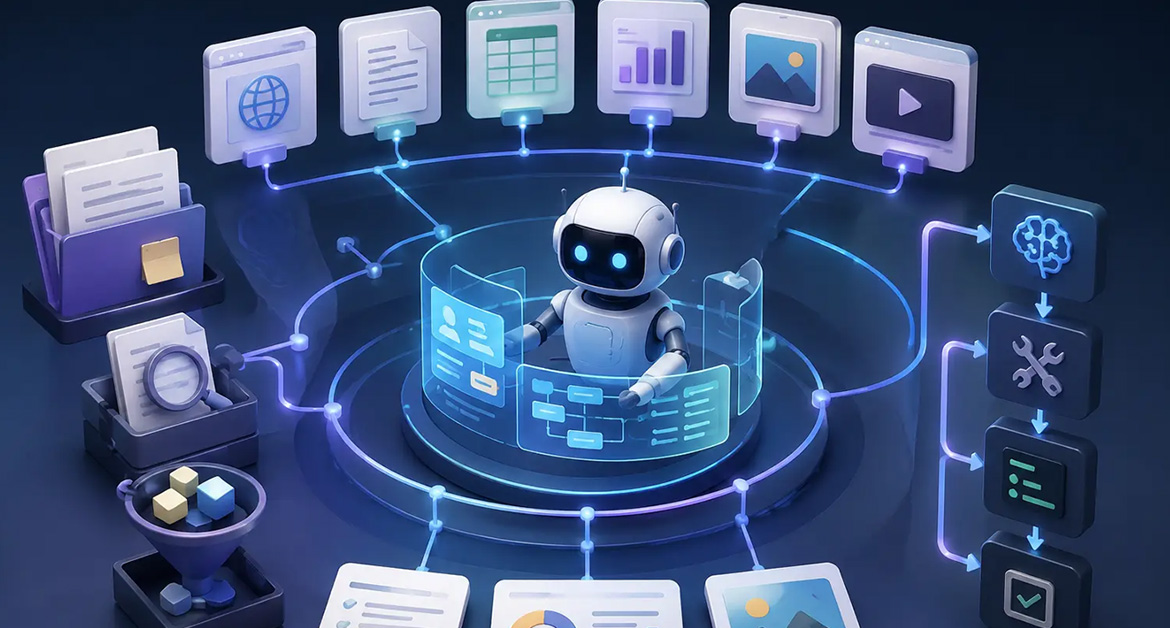
Artificial Intelligence is transforming how organizations manage daily operations through intelligent workflow automation systems designed to improve coordination, efficiency, and scalability.
AI-driven workflow automation allows companies to automate repetitive tasks, simplify operational management, strengthen collaboration, and optimize workplace productivity.
This article explores why companies need AI-driven workflow automation and how intelligent operational systems are shaping the future of modern business environments.
The Role of AI in Workflow Automation
AI-powered workflow systems automate repetitive business processes, improve operational coordination, and provide real-time intelligence that supports smarter decision-making.
AI workflow automation technologies typically support:
- Task automation
- Document processing
- Operational reporting
- Workflow coordination
- Business analytics
- Email automation
- Customer communication
- Smart scheduling systems
These systems create more connected and efficient business operations.
Operational Efficiency
AI systems streamline workflows and reduce repetitive administrative tasks.
Improved Productivity
Automation allows employees to focus on strategic and high-value work.
Smarter Business Decisions
Real-time analytics improve operational visibility and decision-making.
Why Traditional Workflows Create Challenges
Many companies still rely on disconnected operational systems and manual business processes.
Common workflow challenges include:
- Administrative bottlenecks
- Communication delays
- Manual reporting
- Repetitive data entry
- Limited operational visibility
- Workflow inefficiencies
These operational issues reduce productivity and slow organizational growth.
Automating Repetitive Operational Tasks
One of the biggest advantages of AI-driven workflow automation is the ability to automate repetitive business activities.
AI systems can automate:
- Invoice processing
- Email responses
- Document approvals
- Task assignments
- Scheduling coordination
- Business reporting
Automation reduces administrative workload and improves operational efficiency.
Improving Workflow Coordination
AI-powered systems improve coordination between departments, employees, and operational processes.
Businesses can use AI to:
- Monitor workflow progress
- Track operational performance
- Coordinate approvals
- Improve project management
- Organize communication systems
These systems create faster and more connected workflows.
Real-Time Operational Analytics
Operational visibility is essential for efficient business management.
AI-powered analytics systems help organizations monitor:
- Workflow performance
- Employee productivity
- Operational efficiency
- Business trends
- Customer interactions
Real-time intelligence supports faster and more informed business decisions.
Reducing Human Errors
Manual operational workflows are vulnerable to errors and inconsistencies.
AI systems reduce mistakes by:
- Standardizing operational processes
- Improving data accuracy
- Automating repetitive workflows
- Reducing duplicate records
- Providing intelligent alerts
Improved accuracy strengthens operational reliability and efficiency.
AI and Employee Productivity
AI-driven workflow systems improve employee productivity by simplifying daily operational activities.
Employees benefit from:
- Reduced administrative workload
- Automated task management
- Improved collaboration tools
- Faster access to information
- Better workflow organization
These improvements create more productive workplace environments.
Customer Service Workflow Automation
Customer communication is an important component of business operations.
AI-powered customer service systems help companies:
- Automate customer responses
- Reduce response times
- Track customer interactions
- Improve communication workflows
- Enhance support efficiency
Automation improves customer experience while reducing operational pressure on support teams.
Cloud-Based AI Workflow Systems
Cloud technology allows organizations to access AI-powered operational systems remotely.
Cloud-based platforms provide:
- Centralized workflow management
- Remote operational access
- Real-time collaboration
- Scalable digital infrastructure
- Cross-department coordination
These systems improve workplace flexibility and operational scalability.
Financial Benefits of Workflow Automation
Lower Operational Costs
Automation reduces administrative expenses and operational inefficiencies.
Improved Workflow Speed
AI systems accelerate operational coordination and task completion.
Faster Business Decisions
Real-time analytics improve management responsiveness.
Improved Scalability
Connected workflow systems support long-term business growth.
Real-World Example
A growing company previously relied on spreadsheets, manual coordination, and disconnected business systems.
As operations expanded, the organization experienced:
- Workflow inefficiencies
- Communication delays
- Operational bottlenecks
- Administrative overload
After implementing AI-driven workflow automation:
- Operational coordination improved significantly
- Administrative tasks became automated
- Employee productivity increased
- Business reporting became faster
- Workflow visibility improved
The company achieved stronger operational efficiency and business scalability.
Challenges in AI Workflow Implementation
Initial Technology Investment
Companies may initially hesitate due to implementation costs.
Employee Training Requirements
Employees require training to use AI-powered systems effectively.
System Integration Complexity
Existing operational systems may require integration planning.
Cybersecurity Considerations
Organizations must implement strong cybersecurity and data protection strategies.
Best Practices for Workflow Automation
Businesses can improve implementation success by:
- Automating repetitive workflows first
- Using scalable cloud-based systems
- Training employees properly
- Monitoring workflow performance continuously
- Integrating automation across departments
These strategies improve operational efficiency and long-term digital transformation success.
The Future of AI-Driven Workflows
AI workflow technologies will continue evolving through:
- Predictive operational analytics
- Intelligent task automation
- Smart virtual assistants
- Connected digital ecosystems
- Advanced workflow optimization systems
These technologies will create smarter and more agile business environments.
Conclusion
AI-driven workflow automation is transforming modern business operations by improving productivity, optimizing workflows, and strengthening operational efficiency.
Traditional manual processes and disconnected systems often create operational bottlenecks that limit organizational growth and responsiveness.
AI-powered workflow systems provide organizations with automation, operational intelligence, workflow visibility, and connected digital tools that improve coordination and business performance.
These technologies help companies reduce operational costs, improve employee productivity, strengthen collaboration, and support faster decision-making.
One of the greatest advantages of AI-driven workflow automation is the ability to create intelligent and scalable business environments prepared for long-term digital transformation.
As organizations continue adapting to modern digital markets, AI-powered workflow systems will become increasingly important for maintaining competitiveness, operational agility, and workplace efficiency.
Ultimately, AI-driven workflow automation is not simply improving operations — it is redefining how companies manage, collaborate, and grow in the digital age.