Introduction: Why Customer Satisfaction Matters in Field Service Businesses
Field service businesses operate in highly competitive industries where customer expectations continue to rise.
Customers expect fast response times, professional communication, transparent service updates, accurate scheduling, and reliable problem resolution.
A single poor service experience can damage customer trust and negatively impact long-term business relationships.
At the same time, service companies must coordinate technicians, manage schedules, track jobs, handle emergency requests, and maintain operational efficiency.
Without automation, these processes become increasingly difficult to manage as businesses grow.
Field service automation helps businesses improve operational consistency while delivering faster and more reliable customer experiences.
What Is Field Service Automation?
Field service automation refers to the use of digital systems, software platforms, mobile applications, cloud technologies, and AI-driven workflows to automate and optimize service operations.
Automation systems typically include:
- Automated job scheduling
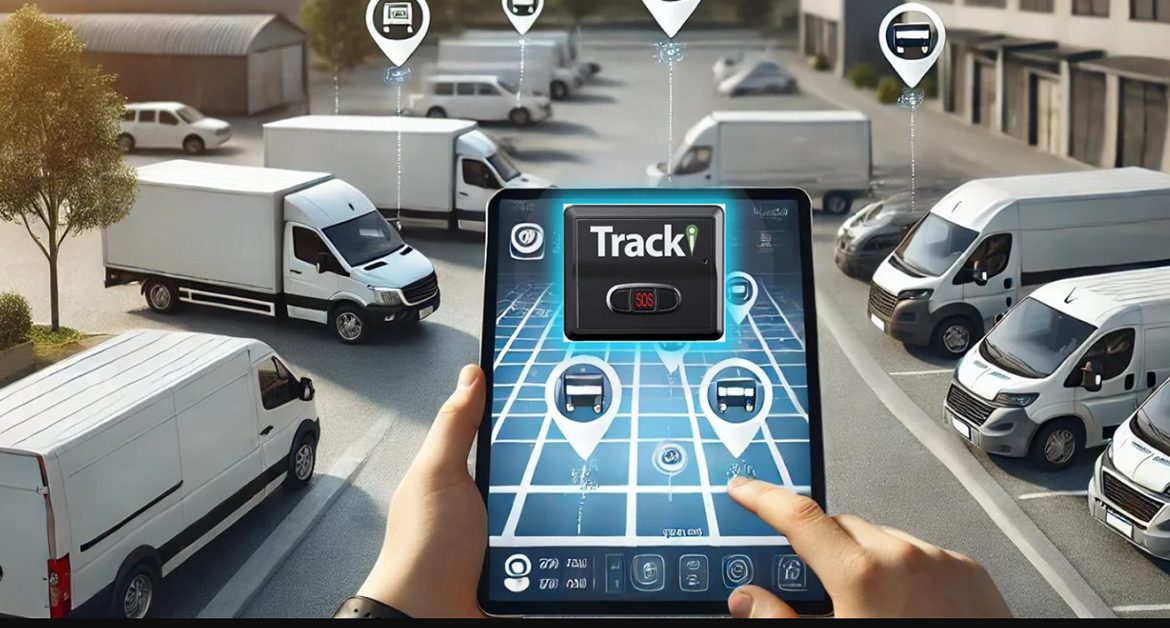
- Real-time technician tracking
- Mobile workforce applications
- Digital reporting systems
- Customer communication tools
- Workflow automation
- Operational analytics dashboards
These technologies help businesses reduce manual processes and improve operational performance.
Problems Customers Face with Traditional Service Operations
Many field service businesses still rely on manual coordination methods such as phone calls, spreadsheets, WhatsApp messaging, and paper-based systems.
These outdated methods create many customer experience problems.
Common customer frustrations include:
- Late technician arrivals
- Missed appointments
- Poor communication
- Unclear service timelines
- Slow response times
- Inconsistent service quality
- Lack of updates
These problems reduce customer trust and satisfaction.
How Automation Improves Response Times
Fast response times are critical in field service industries.
Customers expect service providers to react quickly to maintenance requests, breakdowns, and emergencies.
Field service automation improves response times through:
- Automated job dispatching
- Real-time technician availability tracking
- GPS-based technician assignment
- Intelligent scheduling systems
This enables businesses to respond faster and more efficiently.
Real-Time Technician Tracking and Customer Transparency
Customers often become frustrated when they do not know when technicians will arrive.
Real-time technician tracking provides visibility and transparency throughout the service process.
Benefits include:
- Estimated arrival notifications
- Live service updates
- Reduced uncertainty
- Improved customer communication
Transparency improves customer trust and reduces frustration.
Automated Scheduling Reduces Service Delays
Manual scheduling often creates overlapping appointments, inefficient routing, and delayed service delivery.
Automated scheduling systems optimize job assignments based on technician availability, location, and skill sets.
Scheduling benefits include:
- Reduced delays
- Improved punctuality
- Efficient technician allocation
- Faster service completion
This improves overall service reliability.
Improved Communication Through Automation
Poor communication is one of the biggest causes of customer dissatisfaction.
Automation improves communication consistency throughout the service process.
Automated communication tools include:
- Appointment reminders
- Technician arrival notifications
- Service completion updates
- Digital service reports
- Customer feedback requests
Customers remain informed at every stage of the service process.
Mobile Applications Improve Field Service Coordination
Mobile apps allow technicians to access job details, customer information, service history, and reporting tools directly from the field.
Mobile app capabilities include:
- Instant job updates
- Digital checklists
- Photo documentation
- Customer signatures
- Live communication with dispatch teams
This improves coordination and service accuracy.
Digital Service Reports Improve Customer Confidence
Customers want clear documentation of completed work.
Digital service reports provide professional and transparent service records.
Benefits include:
- Detailed work summaries
- Photo evidence
- Digital signatures
- Instant report delivery
- Improved accountability
This improves customer trust and transparency.
How Automation Reduces Human Errors
Manual processes often create operational mistakes that negatively impact customers.
Common manual errors include:
- Incorrect scheduling
- Missed appointments
- Incomplete reporting
- Communication breakdowns
- Data entry mistakes
Automation standardizes workflows and reduces operational errors.
Improved First-Time Fix Rates
Customers expect technicians to solve problems quickly and efficiently during the first visit.
Automation systems improve first-time fix rates by giving technicians better access to information.
Technicians can access:
- Equipment history
- Service records
- Technical documentation
- Inventory availability
- Previous issue reports
This enables faster and more accurate problem resolution.
Workflow Automation Improves Service Consistency
Service quality often varies when operations rely heavily on manual coordination.
Workflow automation standardizes operational procedures across all service activities.
Automation improves:
- Task sequencing
- Approval workflows
- Service checklists
- Reporting procedures
- Operational accountability
This creates more consistent customer experiences.
Cloud-Based Service Platforms Improve Accessibility
Cloud systems allow managers, technicians, and support teams to access operational information from anywhere.
Cloud benefits include:
- Centralized operational visibility
- Remote workforce coordination
- Real-time data synchronization
- Scalable service operations
This improves operational flexibility and service responsiveness.
AI and Predictive Customer Service
Artificial Intelligence is transforming field service automation into predictive operational systems.
AI capabilities include:
- Predictive maintenance scheduling
- Intelligent technician allocation
- Demand forecasting
- Service prioritization
- Operational bottleneck detection
AI enables faster and smarter service management decisions.
Operational Analytics and Continuous Improvement
Automation systems generate valuable operational data that businesses can analyze to improve service quality.
Analytics systems can track:
- Customer satisfaction trends
- Response times
- Technician productivity
- Service completion rates
- Operational bottlenecks
Data-driven optimization improves long-term customer experience.
How Automation Improves Customer Retention
Satisfied customers are more likely to remain loyal and continue using a company’s services.
Automation improves retention by delivering:
- Reliable service experiences
- Faster issue resolution
- Transparent communication
- Professional reporting
- Consistent service quality
This strengthens long-term business relationships.
Financial Benefits of Customer Satisfaction Improvements
Improving customer satisfaction creates direct financial advantages.
Financial benefits include:
- Higher customer retention
- Increased repeat business
- Stronger brand reputation
- Lower operational costs
- Improved profitability
Operational efficiency and customer satisfaction are closely connected.
Challenges Businesses Face Without Automation
Businesses that continue relying on manual service operations often experience:
- Slow response times
- Poor communication
- Operational inefficiencies
- Scheduling confusion
- Lower customer satisfaction
- Reduced competitiveness
As customer expectations continue rising, these inefficiencies become increasingly damaging.
How SPIDER ASIA Supports Field Service Automation
SPIDER ASIA provides advanced field service automation solutions designed to improve customer satisfaction, operational efficiency, and workforce coordination.
Our solutions include:
- Digital job management systems
- Real-time technician tracking
- Mobile field service applications
- Automated communication tools
- Workflow automation platforms
- Cloud-based operational dashboards
We help businesses transform service operations into intelligent and customer-focused digital ecosystems.
The Future of Automated Field Service Operations
Field service operations are becoming increasingly intelligent, connected, and automated.
Future innovations include:
- AI-powered scheduling systems
- Predictive maintenance automation
- IoT-connected service operations
- Autonomous dispatching systems
- Advanced customer experience analytics
Automation will continue shaping the future of customer-focused service operations.
Conclusion
Field service automation has become essential for businesses that want to improve customer satisfaction, operational efficiency, and long-term competitiveness.
By automating scheduling, communication, reporting, technician coordination, and workflow management, businesses can deliver faster, more reliable, and more transparent customer experiences.
SPIDER ASIA helps businesses modernize service operations through advanced automation systems designed for speed, scalability, operational visibility, and customer satisfaction.
As the field service industry continues evolving, businesses that embrace automation will gain a major advantage in customer loyalty, operational performance, and business growth.