Introduction: The Growing Need for Accountability in Field Operations
Field service operations rely heavily on distributed teams working across multiple locations, often without direct supervision.
Technicians handle installations, repairs, maintenance, inspections, and customer support in the field.
Without proper systems in place, it becomes difficult for managers to track performance, verify work completion, and ensure accountability.
As businesses grow, the lack of visibility into field activities leads to inefficiencies, miscommunication, and inconsistent service quality.
Field service software introduces structured digital workflows that make every action traceable, measurable, and transparent.
What Is Field Service Software?
Field service software is a digital platform designed to manage, coordinate, and optimize field workforce operations.
It connects office teams, dispatchers, managers, and technicians through a centralized system.
Core functionalities include:
- Job scheduling and dispatching
- Technician tracking and GPS monitoring
- Digital job cards and reporting
- Mobile field applications
- Workflow automation
- Performance analytics
- Customer communication tools
These features collectively improve operational control and workforce accountability.
Why Traditional Systems Fail to Ensure Accountability
Manual systems are not designed to track real-time workforce activity.
They rely heavily on human reporting, which introduces errors, delays, and inconsistencies.
Common limitations include:
- No real-time visibility of technicians
- Incomplete or missing job reports
- Lack of performance tracking
- Delayed communication
- Difficulty verifying job completion
These limitations reduce accountability and operational reliability.
Real-Time Technician Tracking Improves Transparency
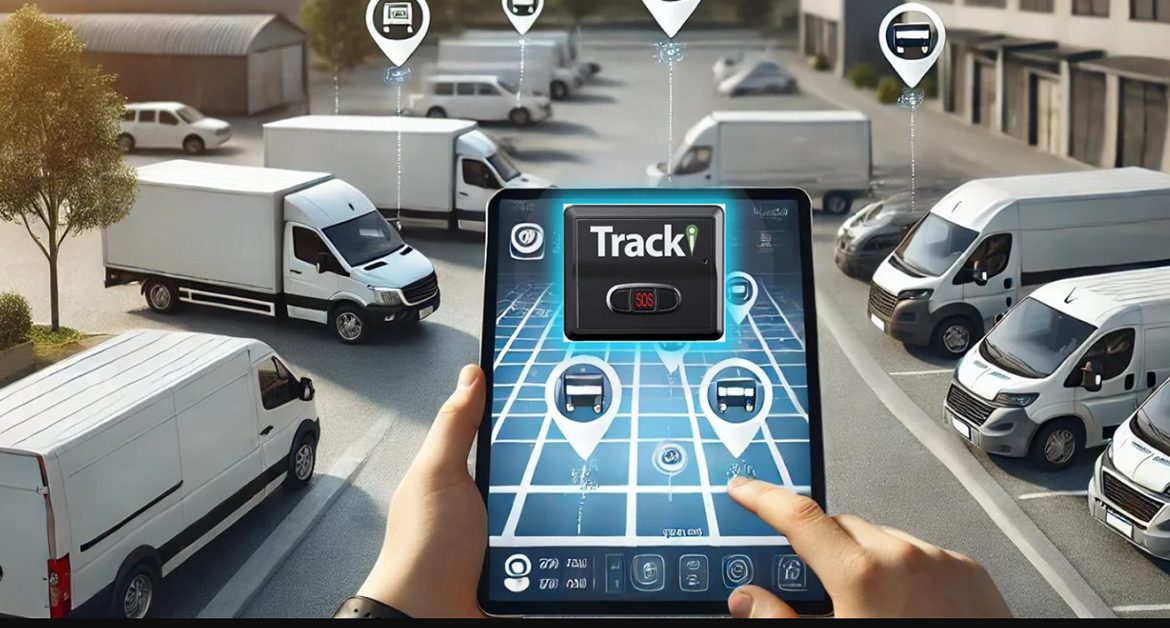
One of the most powerful features of field service software is real-time GPS tracking.
It allows managers to monitor technician movements and job progress instantly.
Benefits include:
- Live location updates
- Verified job attendance
- Accurate arrival and departure times
- Improved dispatch control
This ensures technicians are accountable for their time and activities.
Digital Job Assignments Create Clear Responsibility
Field service software assigns jobs directly to technicians through digital systems.
Each assignment includes job details, deadlines, customer information, and expectations.
Accountability improvements include:
- Clear task ownership
- Assigned deadlines
- Structured workflows
- Reduced confusion
Technicians know exactly what is expected of them at all times.
Mobile Applications Enhance Field Accountability
Mobile apps are essential tools for field technicians.
They allow technicians to manage jobs, submit reports, and communicate in real time.
Mobile features include:
- Job updates and status changes
- Digital checklists
- Photo and video evidence
- Customer signatures
- Instant reporting
This ensures every task is documented accurately and immediately.
Digital Job Cards Improve Work Verification
Digital job cards replace paper-based documentation systems.
They provide structured and verifiable records of all service activities.
Verification benefits include:
- Time-stamped job entries
- Photo evidence of work
- Customer approval signatures
- Detailed service logs
This makes technician performance fully traceable.
Automated Reporting Increases Accuracy
Manual reporting often leads to incomplete or inaccurate data.
Field service software automates reporting processes to ensure consistency.
Automation benefits include:
- Instant report generation
- Standardized reporting formats
- Reduced human error
- Faster data processing
Accurate reporting improves accountability and decision-making.
Performance Tracking and KPI Monitoring
Managers need measurable data to evaluate technician performance.
Field service software provides key performance indicators (KPIs).
Common KPIs include:
- Job completion rate
- Response time
- First-time fix rate
- Travel efficiency
- Customer satisfaction scores
These metrics help identify strong and weak performance areas.
Improved Communication Enhances Accountability
Communication gaps often lead to misunderstandings and errors.
Field service software centralizes communication between teams.
Communication improvements include:
- Instant messaging systems
- Job-related updates
- Centralized communication logs
- Reduced miscommunication
Clear communication ensures accountability across all levels.
Workflow Automation Reduces Manual Errors
Automation eliminates repetitive manual tasks and ensures consistency.
Automated workflows include:
- Job assignment automation
- Status update triggers
- Approval processes
- Escalation rules
This reduces operational errors and improves efficiency.
GPS Verification Prevents False Reporting
GPS tracking ensures technicians are physically present at job locations.
Verification benefits include:
- Accurate attendance tracking
- Prevention of false reporting
- Improved service transparency
This strengthens trust and accountability.
Cloud-Based Systems Improve Data Security and Access
Field service software stores all data securely in cloud systems.
Cloud benefits include:
- Secure data storage
- Remote access
- Real-time synchronization
- Centralized information management
Cloud systems ensure reliable and consistent data access.
Reducing Operational Miscommunication
Miscommunication is a major cause of inefficiency in field operations.
Digital systems eliminate dependency on informal communication channels.
Benefits include:
- Clear job instructions
- Centralized updates
- Reduced misunderstandings
This improves overall operational accuracy.
Customer Transparency Improves Trust
Customers benefit from transparent service processes.
They receive updates, reports, and confirmation of completed work.
Customer benefits include:
- Real-time updates
- Service transparency
- Digital job reports
- Faster issue resolution
Transparency improves customer satisfaction and trust.
Reducing Operational Costs Through Accountability
Better accountability reduces unnecessary operational costs.
Cost savings include:
- Reduced overtime
- Fewer repeat visits
- Lower administrative workload
- Improved resource utilization
Efficient systems increase profitability.
Industries That Benefit from Field Service Software
Many industries rely on technician-based operations.
Industries include:
- HVAC services
- Telecommunications
- Electrical maintenance
- Facility management
- Construction services
- Industrial equipment servicing
- Utilities management
These industries benefit significantly from improved accountability systems.
Challenges Without Field Service Software
Without digital systems, businesses face:
- Poor visibility
- Weak accountability
- Communication gaps
- Reporting delays
- Customer dissatisfaction
These issues limit business growth.
How SPIDER ASIA Supports Workforce Accountability
SPIDER ASIA provides advanced field service software designed to improve accountability and operational efficiency.
Our solutions include:
- Real-time technician tracking
- Digital job management systems
- Mobile workforce applications
- Automated reporting tools
- Cloud-based dashboards
We help businesses transform their field operations into transparent, efficient, and accountable systems.
The Future of Field Service Accountability
Field service software continues to evolve with AI, IoT, and predictive analytics.
Future developments include:
- AI-based performance prediction
- Automated workforce optimization
- IoT-connected job tracking
- Advanced analytics dashboards
The future of accountability will be fully digital and intelligent.
Conclusion
Field service software plays a critical role in improving team accountability by providing transparency, real-time tracking, automated reporting, and centralized communication systems.
Traditional manual systems are no longer sufficient to manage modern field operations effectively.
By adopting digital tools, businesses can ensure technicians are more responsible, efficient, and productive.
SPIDER ASIA helps organizations implement advanced field service solutions that strengthen accountability and improve operational performance.
As industries continue to evolve, businesses that embrace digital accountability systems will gain a significant competitive advantage in efficiency, customer satisfaction, and long-term growth.