Introduction
Modern businesses rely heavily on effective collaboration between teams, departments, and remote employees. As organizations grow, managing communication, workflows, and coordination becomes increasingly complex.
Traditional collaboration methods such as emails, spreadsheets, and manual task tracking often lead to delays, miscommunication, and inefficiencies in workflow management.
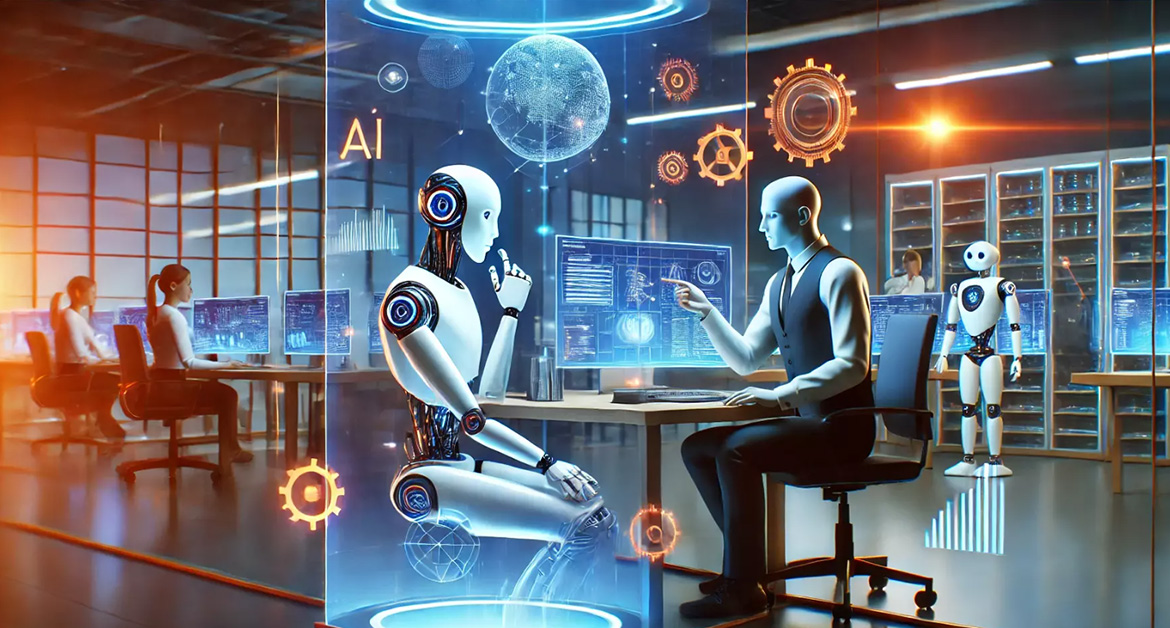
Artificial Intelligence is transforming how teams work together by introducing intelligent automation systems that improve coordination, streamline communication, and optimize workflows.
AI-powered collaboration tools help businesses increase productivity, reduce operational friction, and create more connected and efficient working environments.
This article explores how AI improves team collaboration and workflow management in modern organizations.
The Role of AI in Collaboration
AI-powered systems enhance teamwork by automating coordination tasks, improving communication flow, and ensuring that information is shared efficiently across teams.
AI collaboration systems typically support:
- Task management automation
- Real-time communication tools
- Workflow coordination
- Project tracking systems
- Document sharing and organization
- Performance monitoring
- Meeting scheduling automation
- Team productivity analytics
These systems improve efficiency and reduce operational delays.
Better Communication
AI improves message routing, notifications, and real-time communication between teams.
Faster Workflow Execution
Automated systems reduce delays in task assignments and approvals.
Improved Coordination
Teams stay aligned with real-time updates and intelligent workflow tracking.
Why Traditional Collaboration Fails at Scale
As businesses grow, traditional collaboration systems often become inefficient.
Common challenges include:
- Miscommunication between teams
- Delayed task execution
- Unclear responsibilities
- Disconnected communication tools
- Manual workflow tracking
- Information overload
These issues reduce productivity and slow business operations.
AI-Powered Workflow Management
AI helps organizations manage workflows more efficiently by automating task distribution and tracking progress in real time.
AI systems can:
- Assign tasks automatically
- Track project progress
- Monitor deadlines
- Detect workflow bottlenecks
- Optimize task prioritization
This improves overall operational efficiency and team performance.
Real-Time Team Collaboration
AI-powered tools enable real-time collaboration across teams regardless of location.
Organizations can improve collaboration through:
- Instant messaging systems
- Automated notifications
- Live document editing
- Shared dashboards
- Integrated communication platforms
These tools help teams stay aligned and responsive.
Reducing Communication Gaps
Communication gaps often slow down business operations and create inefficiencies.
AI reduces communication issues by:
- Automating message distribution
- Providing smart notifications
- Organizing communication channels
- Summarizing updates
- Highlighting important tasks
This ensures teams stay informed and aligned.
AI and Remote Team Management
Remote and hybrid work environments require stronger coordination systems.
AI helps manage remote teams by:
- Tracking productivity metrics
- Monitoring task completion
- Facilitating virtual collaboration
- Automating scheduling
- Ensuring workflow transparency
These capabilities improve remote work efficiency.
Improving Employee Productivity
AI-powered collaboration tools reduce administrative workload and improve focus.
Employees benefit from:
- Less manual coordination
- Clear task assignments
- Faster communication
- Automated workflow updates
- Better time management
This leads to higher productivity and efficiency.
Cloud-Based Collaboration Systems
Cloud platforms enable seamless collaboration across departments and locations.
Cloud systems provide:
- Centralized communication hubs
- Real-time data access
- Scalable infrastructure
- Secure file sharing
- Integrated workflow tools
These systems improve flexibility and accessibility.
Financial Benefits of AI Collaboration
Reduced Operational Costs
Automation reduces manual coordination and administrative expenses.
Faster Project Completion
Improved workflows accelerate task execution.
Improved Resource Allocation
AI ensures optimal use of time and workforce.
Higher Organizational Efficiency
Connected systems improve overall business performance.
Real-World Example
A growing company previously relied on emails, spreadsheets, and manual coordination to manage team collaboration.
As the organization expanded, it experienced:
- Communication delays
- Workflow inefficiencies
- Missed deadlines
- Team misalignment
After implementing AI-powered collaboration systems:
- Communication improved significantly
- Task management became automated
- Workflow coordination increased
- Productivity improved across teams
- Project delivery became faster
The company achieved stronger teamwork and operational efficiency.
Challenges in AI Collaboration Systems
System Integration
Existing tools may require integration with AI platforms.
Employee Adoption
Teams may need training to adapt to new systems.
Data Security
Organizations must protect shared information and communication data.
Best Practices for AI Collaboration
Businesses can improve adoption by:
- Centralizing communication tools
- Automating workflow tracking
- Training employees
- Using cloud-based systems
- Monitoring team performance
These strategies improve collaboration efficiency and productivity.
The Future of AI Collaboration
AI collaboration tools will continue evolving through:
- Intelligent assistants
- Predictive workflow management
- Automated team coordination
- Advanced communication systems
- Smart productivity analytics
These innovations will create more connected and efficient workplaces.
Conclusion
AI is transforming team collaboration by improving communication, automating workflows, and enhancing coordination across organizations.
Traditional collaboration systems often struggle with inefficiencies, delays, and miscommunication as businesses grow.
AI-powered systems provide real-time communication, workflow automation, and intelligent coordination tools that improve overall productivity.
These technologies help businesses reduce operational friction, strengthen teamwork, and improve performance.
Ultimately, AI is redefining how teams collaborate and manage workflows in modern digital workplaces.