Introduction
Modern businesses rely heavily on CRM (Customer Relationship Management) and ERP (Enterprise Resource Planning) systems to manage customers, operations, finance, and internal workflows.
However, traditional systems often operate in silos, creating inefficiencies, duplicated data, and limited real-time visibility across departments.
Artificial Intelligence is transforming CRM and ERP platforms by integrating intelligent automation, predictive analytics, and real-time data synchronization.
AI-powered CRM and ERP systems help organizations streamline operations, improve decision-making, and enhance customer experiences.
This article explores the key benefits of AI-integrated CRM and ERP systems for modern businesses.
The Role of AI in CRM & ERP Systems
AI enhances enterprise systems by automating data processing, improving forecasting accuracy, and enabling intelligent workflow coordination across departments.
AI-integrated CRM and ERP systems typically support:
- Customer data analysis
- Sales forecasting
- Inventory management
- Financial planning
- Workflow automation
- Real-time reporting
- Lead management optimization
- Business intelligence dashboards
These capabilities improve efficiency and enterprise visibility.
Unified Business Data
AI connects CRM and ERP systems to eliminate data silos and improve visibility.
Smarter Forecasting
Predictive analytics help businesses forecast sales, demand, and financial performance.
Automated Workflows
AI reduces manual tasks across sales, finance, and operations departments.
Why Traditional CRM & ERP Systems Fall Short
Many companies still use disconnected enterprise systems that limit efficiency.
Common challenges include:
- Data duplication across systems
- Manual reporting processes
- Limited real-time insights
- Inefficient workflow coordination
- Slow decision-making processes
These issues reduce operational efficiency and business agility.
AI-Powered CRM Enhancements
AI improves CRM systems by optimizing customer interactions and sales processes.
AI CRM systems can:
- Analyze customer behavior
- Predict customer needs
- Automate lead scoring
- Improve sales targeting
- Enhance customer communication
This leads to stronger customer relationships and increased revenue.
AI-Powered ERP Enhancements
AI improves ERP systems by optimizing internal operations and resource management.
AI ERP systems can:
- Automate financial reporting
- Optimize inventory levels
- Improve supply chain planning
- Enhance workforce management
- Reduce operational inefficiencies
These improvements strengthen enterprise performance.
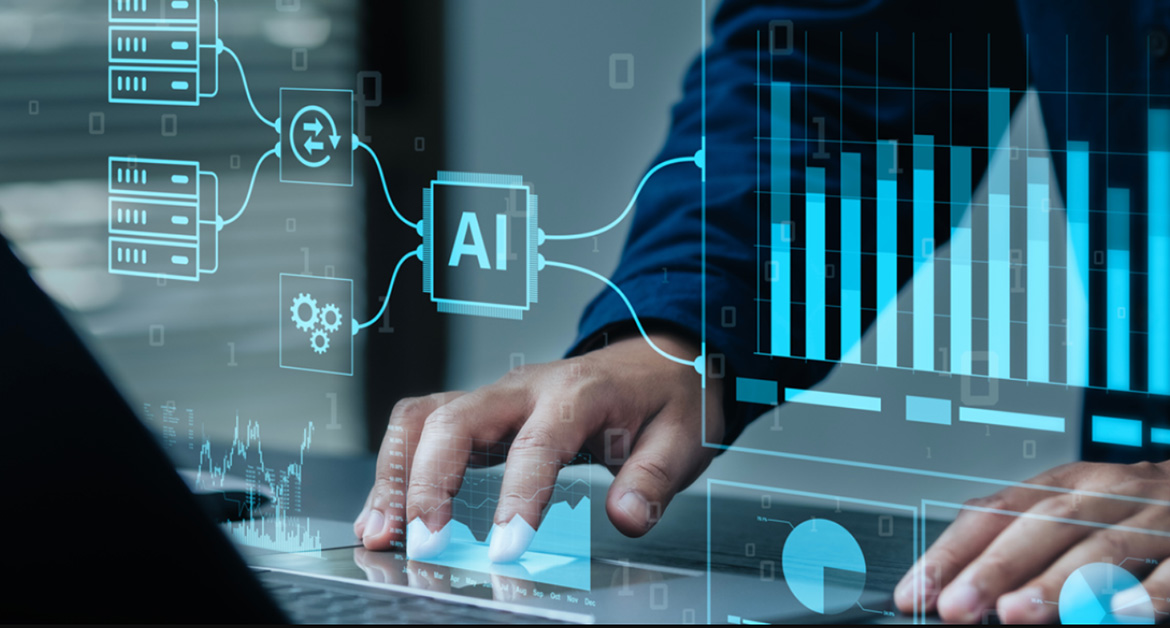
Real-Time Business Intelligence
AI-integrated systems provide real-time insights across business operations.
Organizations can monitor:
- Sales performance
- Financial health
- Customer engagement
- Operational efficiency
- Supply chain performance
This improves decision-making and strategic planning.
Improving Customer Experience
AI-powered CRM systems help businesses deliver personalized customer experiences.
Benefits include:
- Faster response times
- Personalized communication
- Improved customer support
- Better service recommendations
- Stronger customer retention
These improvements strengthen brand loyalty and satisfaction.
Reducing Operational Costs
AI automation reduces manual administrative tasks and operational inefficiencies.
Businesses benefit from:
- Lower labor costs
- Reduced reporting time
- Improved workflow efficiency
- Fewer human errors
This leads to long-term cost savings.
Challenges in Implementation
System Integration Complexity
Integrating AI into legacy CRM and ERP systems can be challenging.
Data Migration Issues
Moving existing data into AI-powered systems requires careful planning.
Employee Training
Teams must learn how to use new intelligent systems effectively.
Security Concerns
Businesses must ensure data protection and compliance.
Best Practices for AI Integration
- Start with core business processes
- Integrate CRM and ERP gradually
- Use scalable cloud platforms
- Train employees continuously
- Monitor system performance
The Future of AI-Integrated Enterprise Systems
AI-powered CRM and ERP systems will continue evolving with deeper automation, predictive intelligence, and fully connected enterprise ecosystems.
- Autonomous business operations
- Advanced predictive analytics
- Real-time enterprise optimization
- Fully integrated digital ecosystems
Conclusion
AI-integrated CRM and ERP systems are transforming how businesses manage customers, operations, and internal processes.
Traditional systems often struggle with inefficiencies, data silos, and limited real-time visibility.
AI solves these challenges by unifying data, automating workflows, and improving decision-making across the organization.
These systems help businesses improve efficiency, reduce costs, enhance customer experiences, and strengthen enterprise performance.
Ultimately, AI-powered CRM and ERP integration is becoming a core foundation of modern digital transformation.